2026 Best Auto Transport Options for Safe Vehicle Shipping?
Finding the best auto transport services for your vehicle shipping needs requires careful consideration. In 2026, the options are vast, making it overwhelming. Not every service stands out, and some may not meet your expectations.
When thinking about the best auto transport choices, think about safety and reliability. You want to ensure your vehicle arrives in excellent condition. Many companies promise the world but fall short of delivering quality. Look for those with positive reviews and transparent pricing.
It’s essential to reflect on the whole process. What fits your needs? Is the cheapest option really the best? Being informed helps you choose wisely. Ultimately, selecting the best auto transport service is a crucial decision that requires diligence and thought.
Understanding Auto Transport: Key Factors for Safe Vehicle Shipping
Transporting a vehicle safely requires careful planning. One should consider various factors that impact the shipping process. First, understanding the type of transport is essential.
Open trailers are common but may expose vehicles to the elements.
Enclosed transport provides more protection but often comes at a higher cost.
Customers need to weigh these options based on their vehicle's value and sensitivity to weather.
Another critical aspect is finding a reliable service provider. Researching customer reviews can offer insights into a company’s reliability. Don't just rely on ratings; look for detailed feedback.
Ask for recommendations from friends or online forums to gather more information. Communication is vital.
Make sure the company is responsive and transparent about its shipping process.
Finally, consider timing and logistics. Transit times can vary greatly.
Delays can happen due to weather or scheduling mix-ups. It’s essential to stay flexible and understand that shipping a vehicle may not be a straightforward process.
Be prepared for unexpected challenges along the way. Understanding these factors can significantly impact the safety and efficiency of vehicle shipping.
Types of Auto Transport Methods: Open vs. Enclosed Carriers
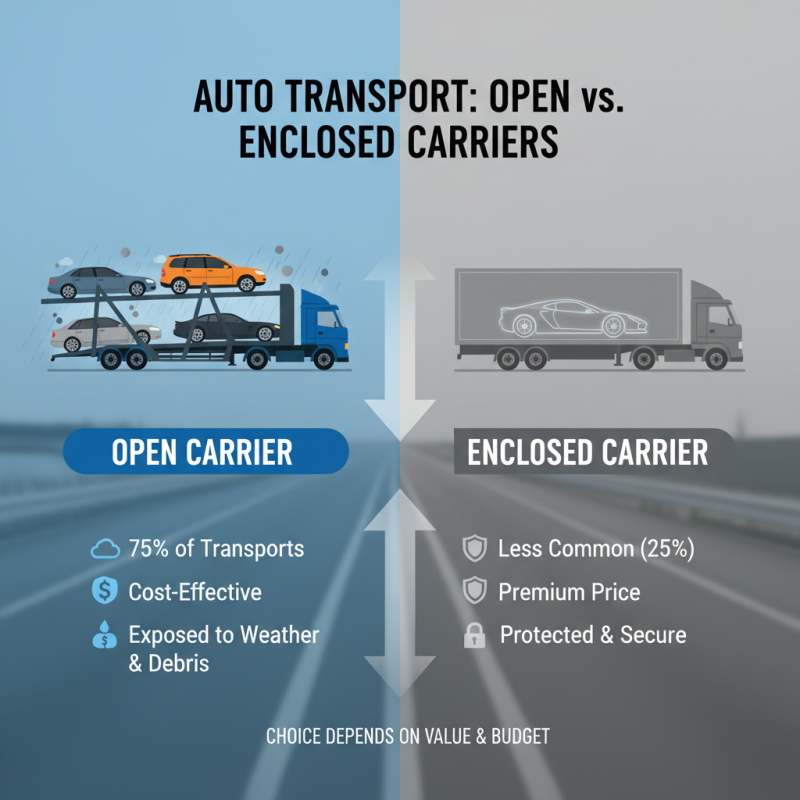
When considering auto transport, choosing between open and enclosed carriers is crucial. Open carriers are more common, with about 75% of transport services using them. They are cost-effective and can carry multiple vehicles at once. However, your car will be exposed to weather and road debris during transit. This can lead to wear and tear, especially for high-value or classic cars.
On the other hand, enclosed carriers provide better protection. These carriers shield your vehicle from external elements. Reports show that only about 25% of transport services use enclosed methods. This is due to higher costs, but the investment can be worth it for luxury or vintage cars. Enclosed shipping minimizes the risk of damage. Many owners prefer this option for peace of mind.
While both methods have advantages, it is essential to reflect on your needs. If you have a standard vehicle, an open carrier might suffice. Yet, if your car is a collector’s item, consider enclosing it. Weigh the pros and cons carefully. This decision will impact your vehicle's condition upon arrival.
Choosing the Right Auto Transport Company: What to Look For
When selecting the right auto transport company, it's essential to examine key factors. Start with their experience in the industry. A company with a solid track record is typically more reliable. Look for customer reviews to gauge their reputation. Positive feedback often indicates dependable service.
Tips: Always check for licensing. A licensed company follows legal guidelines. Insurance is crucial as well. Ensure they offer coverage for your vehicle during transport. This protects your investment in case of unforeseen incidents.
Next, consider the types of transport options offered. Open transport is cost-effective but less protective. Enclosed transport, on the other hand, provides more safety for high-value cars. It's worth reflecting on what your vehicle needs. Some companies might not offer both options. Ask questions to clarify any doubts. Communication is key in this process. Trust your instincts; if something feels off, it may be worth re-evaluating your choice.
Preparing Your Vehicle for Transport: Essential Steps and Checklist
Transporting a vehicle requires careful preparation. Start by cleaning your car thoroughly. This allows you to spot any pre-existing damages. Take detailed photos of your vehicle from all angles. This is important for documenting its condition.
Next, remove any personal items inside the vehicle. These can shift during transport and cause damage. Check your fuel level; it should be around a quarter tank. This minimizes weight but allows for moving the vehicle if needed. Disable alarms to prevent unnecessary disturbances during transport. Ensure your tires are properly inflated to avoid issues on the road.
Lock your vehicle after preparing it. Keep your documentation handy, including registration and insurance information. Research transport options thoroughly. Each choice has its pros and cons. Consider factors like cost and delivery time. Stay informed so you can make the right decisions.
Insurance and Liability in Auto Transport: What You Need to Know
When shipping a vehicle, understanding insurance and liability is crucial. An estimated 97% of vehicle transporters offer some form of liability coverage. However, this does not mean your car is fully protected. It's essential to read the policy details carefully. Standard liability insurance often only covers the market value of the vehicle at the time of damage.
The average cost to ship a car is around $1,200, based on recent industry reports. Spending a little more on enhanced coverage could save you in the long run. Many consumers overlook this detail, assuming basic insurance suffices. In reality, damages during transport can occur, and not all transporters are equally transparent about their policies.
Many customers report surprises with claims processes. According to recent surveys, only 60% of claims are resolved to customers’ satisfaction. This gap indicates a need for careful selection of a transport provider. Researching reviews and asking for specific liability details ensures a smoother shipping experience. Ultimately, the right insurance can protect your investment during transport, but vigilance is key.


 Track Your Shipment
 Online Enquiry
 Sign In
 English