China Top Local Car Transport Suppliers and Prices?

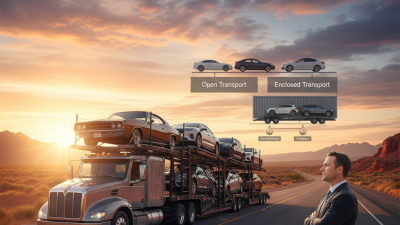
Choosing reliable local car transport in China requires more than comparing the lowest advertised price. Suppliers may serve cities, provinces, or wider domestic routes, and their service standards can differ greatly. A quote from Beijing to Shanghai may change with vehicle size, pickup timing, road distance, and delivery urgency. Enclosed transport usually costs more than open transport. Door-to-door collection may also add handling fees.

This guide examines leading Chinese car transport suppliers, their typical pricing methods, and practical service differences. It considers operating experience, fleet condition, driver qualifications, insurance arrangements, and customer communication. A dependable provider should offer a written quotation, clear delivery terms, and documented vehicle checks before loading. Photos of existing scratches matter. So does the loading report.

Prices are rarely fixed. They can rise during holidays, severe weather, or periods of limited truck availability. A published price may exclude tolls, warehouse storage, remote-area collection, or terminal handling. That detail is easy to miss. Some estimates may also be outdated, especially when fuel costs change quickly.

The comparisons below are intended to support careful decisions, not promise one universal rate. Supplier rankings can be subjective, and customer experiences are not always consistent. Readers should confirm licenses, insurance coverage, cancellation rules, and final charges directly before booking. A slightly higher quote may provide better tracking and safer handling, but that is not guaranteed. Local verification still matters.
China Top Local Car Transport Suppliers and Prices?

What Are Local Car Transport Suppliers in China?

China’s local car transport suppliers are regional companies that arrange vehicle movement within one province or between nearby cities. They may own transport trucks or coordinate approved independent carriers. Their services usually include pickup, vehicle inspection, loading, delivery, and basic status updates.

Many understand local roads, warehouse schedules, and loading-yard procedures better than distant providers. This local knowledge can reduce waiting time. It may also improve communication when collection details change.

A reliable supplier should explain its operating qualifications, insurance coverage, driver arrangements, and damage-reporting process. Ask for a written quote with pickup fees, transport charges, storage costs, and delivery conditions.

Prices often depend on distance, vehicle size, route demand, and delivery urgency. A small sedan moving from one nearby city to another may cost less than a large vehicle crossing several provinces. In practice, even a careful estimate can change after confirming the exact address. That detail is easy to overlook.

Tips: Photograph the car from every side before loading. Record mileage, fuel level, visible scratches, and loose accessories. Confirm whether the truck is enclosed or open. Request the supplier’s business documents and a clear contact person. Avoid choosing only by the lowest price; unclear terms may create delays or unexpected charges.

I once treated fast replies as proof of reliability. That was a weak assumption. Check documents and service details instead.

How to Identify China’s Leading Car Transport Suppliers

China’s leading car transport suppliers are identified by evidence, not polished websites. The China Association of Automobile Manufacturers reported 31.44 million vehicle sales in 2024. That scale creates strong logistics demand, but it also attracts inexperienced intermediaries. Ask for a valid business registration, transport qualifications, cargo insurance, and a verifiable operating address. Request recent delivery records for your exact route.

A reliable supplier explains its process clearly. Confirm vehicle collection, loading equipment, GPS updates, inspection photos, and damage-claim procedures. The quote should separate pickup, line-haul transport, terminal handling, insurance, and taxes. Prices vary with distance, vehicle size, season, loading method, and delivery urgency. Compare at least three written quotations, not just the lowest number.

The China Federation of Logistics and Purchasing reported continued logistics expansion in 2024, reflecting a large and competitive transport market. Still, market size does not prove service quality. I would test communication before signing: send the same technical questions and measure response accuracy. A supplier that avoids clear delivery windows may create costly delays. This check is imperfect, though. Even experienced operators can face port congestion or weather disruption. Ask how they handled a recent problem, rather than trusting impressive claims.

What Factors Influence Local Car Transport Prices?

Local car transport prices in China are rarely based on distance alone. A 30-kilometer move through a crowded industrial district may cost more than a longer highway trip. Suppliers usually assess vehicle size, pickup access, delivery access, and loading difficulty. A compact sedan is easier to handle than a large SUV, van, or damaged vehicle. Distance matters. Fuel use, tolls, and driver time then shape the base quote.

Timing can change the price quickly. Weekend requests, holiday traffic, and urgent delivery often require extra labor or a dedicated truck. Shared transport usually lowers cost, but the collection window may be wider. Enclosed protection can add value for high-finish vehicles, while open transport is often practical for ordinary local moves. Ask whether the quote includes loading, unloading, insurance coverage, waiting time, and toll charges. Vague wording deserves caution.

From reviewing transport quotations, I have found that the cheapest figure is not always the most reliable. One missing access fee can disturb the entire budget. A professional supplier should inspect photos, confirm addresses, explain possible surcharges, and provide written terms. The process is still imperfect: traffic, weather, and inaccurate vehicle details can alter the final amount. Share clear photos and exact measurements. Also ask what happens if the truck arrives late. That small question often reveals how carefully the supplier manages risk.

China Top Local Car Transport Suppliers and Prices? - What Factors Influence Local Car Transport Prices?
Supplier Type Typical Service Scope Common Vehicle Capacity Indicative Price Basis Typical Advantages Common Limitations
Multi-Car Open Carrier Standard intercity transportation between major cities and logistics hubs 6–12 vehicles per carrier RMB 0.90–1.60 per km Lowest cost for standard vehicles; suitable for routine shipments Longer scheduling windows; vehicles are exposed to weather and road dust
Enclosed Car Carrier Premium transport for new, luxury, classic, modified, or weather-sensitive vehicles 2–6 vehicles per carrier RMB 1.20–2.20 per km Better protection from weather, dust, and minor road debris Usually costs 20%–50% more than open transport; fewer available departures
Dedicated Single-Vehicle Truck Direct pickup and delivery for urgent, high-value, or non-running vehicles 1 vehicle per truck RMB 2,000–6,000 per trip Flexible routing, faster coordination, and fewer handling points Highest price; final cost depends heavily on distance and vehicle condition
Flatbed or Recovery Truck Vehicles that cannot start, steer, brake, or be safely driven onto a carrier 1 vehicle per truck RMB 500–1,500 loading surcharge Suitable for accident-damaged, immobilized, or low-clearance vehicles Requires additional loading equipment, labor, and roadside coordination
Rail-Integrated Vehicle Transport Long-distance movement between connected rail terminals, followed by local delivery Multiple vehicles per rail shipment RMB 2,000–4,500 for 1,000–1,500 km Can reduce highway exposure and provide stable long-distance capacity Terminal transfer and last-mile delivery may add time and charges
Indicative Local and Intercity China Car Transport Prices
Example Route Approximate Road Distance Standard Vehicle, Open Carrier Enclosed Carrier Estimated Transit Time Main Price Considerations
Beijing to Tianjin Approximately 140 km RMB 900–1,600 RMB 1,200–2,100 1–2 days Pickup location, urban access restrictions, and terminal handling
Guangzhou to Shenzhen Approximately 140 km RMB 900–1,700 RMB 1,200–2,200 1–2 days Demand levels, express delivery requirements, and residential pickup
Shanghai to Nanjing Approximately 300 km RMB 1,200–2,000 RMB 1,600–2,700 1–3 days Vehicle size, pickup flexibility, and whether door-to-door service is required
Chengdu to Chongqing Approximately 310 km RMB 1,300–2,200 RMB 1,700–2,900 1–3 days Mountainous sections, departure frequency, and seasonal capacity
Shanghai to Beijing Approximately 1,200 km RMB 2,500–4,200 RMB 3,300–5,800 3–6 days Long-haul fuel costs, route capacity, vehicle dimensions, and insurance value
Guangzhou to Beijing Approximately 2,100 km RMB 3,500–6,000 RMB 4,600–8,000 5–9 days Long-distance routing, seasonal demand, multiple-terminal handling, and delivery area
Key Factors That Influence Local Car Transport Prices
Pricing Factor Typical Effect on Price Why It Matters Lower-Cost Option Higher-Cost Option Recommended Quotation Detail
Transport Distance Usually the largest cost component Longer routes increase fuel, labor, toll, and vehicle-utilization costs Flexible terminal-to-terminal delivery Direct door-to-door delivery over a long route List both origin and destination cities, districts, and approximate kilometers
Vehicle Size and Weight Approximately 10%–35% higher for large SUVs, vans, and electric vehicles Larger vehicles use more carrier space and may exceed standard loading dimensions Compact sedan or small hatchback Large SUV, van, oversized vehicle, or heavy electric vehicle Provide vehicle length, width, height, weight, and model category
Open or Enclosed Transport Enclosed service commonly adds 20%–50% Enclosed equipment offers additional protection but carries fewer vehicles Open carrier for ordinary daily-use vehicles Enclosed carrier for high-value or sensitive vehicles Specify protection level and whether weather exposure is acceptable
Pickup and Delivery Method Door-to-door service may add RMB 200–800 per vehicle Residential streets, restricted zones, and remote locations can require local transfers Terminal-to-terminal service Direct pickup and delivery from restricted or remote addresses Confirm whether a carrier can legally access both addresses
Vehicle Operability Non-running vehicles may add RMB 300–1,500 Winching, lifting, special loading, and extra labor may be necessary Vehicle starts, rolls, steers, and brakes normally Accident-damaged, locked, flat-tire, or immobilized vehicle State the vehicle condition and provide photos before booking
Delivery Speed Urgent service may add 15%–40% Priority dispatch can require a dedicated truck or premium scheduling Flexible pickup window of several days Same-day or fixed-date pickup and delivery Separate standard transit time from guaranteed delivery time
Seasonal Demand Commonly 10%–30% during peak periods Public holidays, vehicle registration periods, and relocation seasons reduce spare capacity Book outside major holiday periods Book immediately before or after major holidays Check validity period of the quotation and possible peak-season surcharges
Insurance and Declared Value Basic cargo coverage may be included; extra coverage may cost more Coverage limits and exclusions vary according to vehicle value and transport method Standard declared value and basic cargo coverage High declared value, special-risk coverage, or additional protection Record the declared vehicle value, coverage limit, deductible, and exclusions
Payment and Documentation Additional administrative charges may range from RMB 50–300 Invoicing, storage, customs-related paperwork, and terminal services can affect the total Standard domestic documents and normal payment terms Extra storage, formal invoices, or special documentation requests Request an itemized quote showing transport, tolls, loading, storage, insurance, and taxes
Price ranges are indicative domestic-market estimates in Chinese yuan for standard passenger vehicles and are intended for comparison only. Actual quotations vary by city district, pickup and delivery address, vehicle condition, vehicle dimensions, season, carrier availability, insurance requirements, toll changes, and service scope. A final quotation should be confirmed after vehicle and address details are provided.

What Are the Main Steps for Booking Car Transport?

Booking local car transport in China starts with clear vehicle and route details. Provide the car model, working condition, pickup address, delivery address, and preferred dates. A supplier can then estimate the price more accurately. Costs may change with distance, vehicle size, season, road access, and whether the car needs loading assistance.

Ask for a written quotation before paying any deposit. It should show the transport method, estimated delivery time, insurance coverage, cancellation terms, and possible extra charges. Confirm the supplier’s business credentials and operating experience. Take dated photos of the car’s exterior, wheels, dashboard, and existing scratches. Record the fuel level and mileage at collection. Check the agreement carefully. Small omissions can become expensive misunderstandings.

Tips: Keep the keys and documents ready. Remove personal items from the vehicle. Confirm the driver’s phone number and the pickup time on the same day. Ask how delays will be reported. At delivery, compare the car with your photos before signing. Do not rush. Even a careful checklist may miss a small dent in poor light, so inspect around the bumpers and door edges. Prices from different local suppliers should be compared using identical service details, not just the lowest headline quote.

China Local Car Transport: Typical Prices by Distance

The chart shows indicative domestic vehicle-transport prices in China, measured in CNY and grouped by route distance. Actual quotations vary according to vehicle size, pickup and delivery locations, insurance coverage, season, and whether door-to-door service is required.

The main booking steps are: provide vehicle and route details, compare a written quotation and service terms, then confirm the pickup date and prepare the vehicle inspection and handover documents.

How to Choose a Reliable Car Transport Supplier in China

Choosing a reliable car transport supplier in China requires more than comparing the lowest price. A professional supplier should explain each transport stage clearly, from vehicle collection to final delivery. Ask whether the quotation includes loading, storage, insurance, port handling, and documentation. Unclear fees often appear after the vehicle reaches the depot. That creates avoidable pressure.

Request the supplier’s business registration details, operating address, and recent shipment references. Check whether the contact person can provide a written transport plan. The plan should show pickup dates, vehicle condition checks, delivery timing, and tracking procedures. Photos taken before loading can record scratches, wheel damage, or missing accessories. Small details matter. A reliable team also explains how claims are handled, rather than making broad promises.

Price still matters, but it should be compared against service scope. Ask two or three suppliers to quote the same route and vehicle type. A very low quote may exclude storage, fuel adjustments, or rural pickup charges. Confirm payment stages and cancellation terms before signing. Suppliers should follow applicable transport and customs requirements for the destination. Do not accept vague answers. One practical mistake is trusting polished messages without checking documents or depot details. A short video call can reveal whether the supplier understands your route. Even experienced buyers sometimes overlook holiday delays and incomplete vehicle information. Recheck everything in writing.