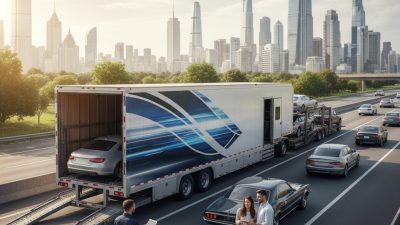
China’s automotive market is enormous, but moving vehicles safely requires more than a large fleet. The China Association of Automobile Manufacturers reported 31.44 million vehicle sales in 2024, including 12.87 million new-energy vehicles. That volume increases pressure on carriers, ports, storage yards, and final-mile delivery teams. A company may appear impressive online, yet perform poorly with electric vehicles, rural delivery, or export documentation. This guide evaluates China’s top 10 auto transport companies using practical evidence rather than promotional slogans.
The selection focuses on operating experience, service coverage, fleet capacity, insurance transparency, tracking systems, and customer feedback. It also considers international logistics standards and the changing demands of electric vehicle transportation. Reports from the China Federation of Logistics and Purchasing and industry research from Automotive Logistics show how digital visibility and multimodal coordination are becoming essential. These sources offer useful context, but public company data remains uneven. That limitation deserves attention.
Real performance matters.
The phrase best auto transport should not mean the cheapest quotation. It should reflect dependable loading, careful handling, accurate delivery schedules, and responsive claims support. Readers should compare vehicle inspection procedures, enclosed or open transport options, warehouse security, and cross-border experience. Some rankings may still contain uncertainty because companies disclose different levels of information. That is worth admitting. This overview therefore presents a practical starting point, not an absolute verdict. Prices, routes, and service quality can change quickly, so buyers should verify current licenses, insurance terms, delivery conditions, and recent customer experiences before choosing a provider.
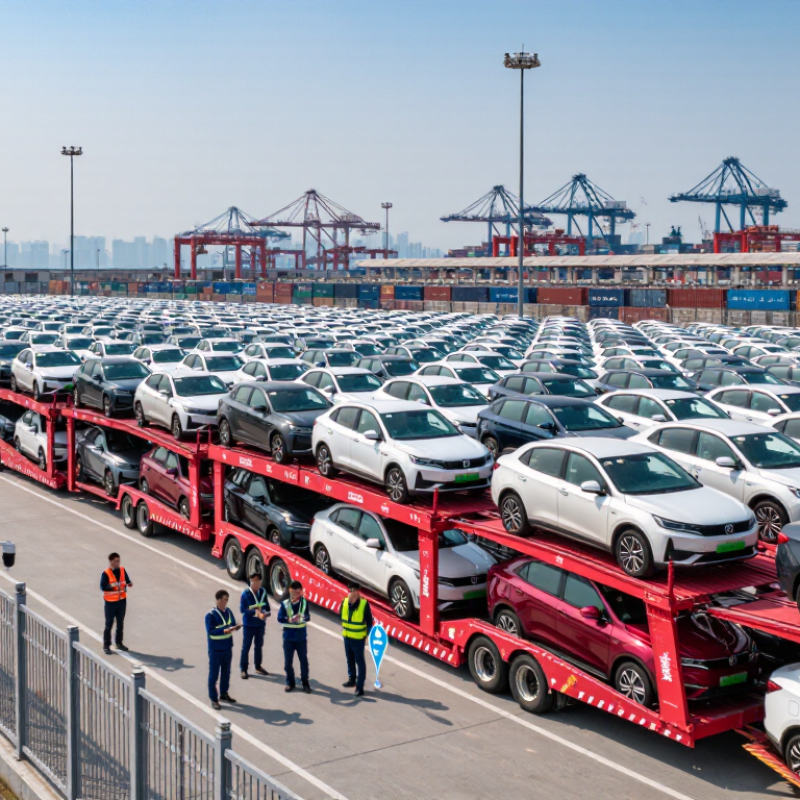
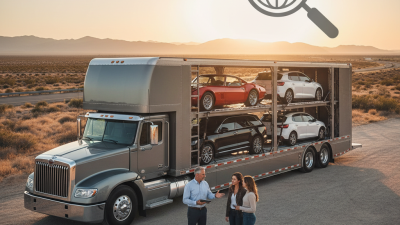
China’s auto transport industry operates through coordinated road, rail, port, and documentation networks. Domestic vehicles often move by enclosed or open carriers, depending on model value and weather exposure. At collection, staff record mileage, battery level, tire condition, and visible marks. Photographs matter. They create a shared reference before loading. Dispatchers then match routes with available capacity, delivery windows, and regional restrictions. Timing matters.
For cross-border shipments, freight forwarders coordinate export documents, customs declarations, inspection records, and marine bookings. A reliable operator checks the vehicle identification number against every document. One incorrect digit can delay clearance. Port teams inspect securing points, wheel restraints, and fluid leaks before loading. During transit, tracking updates may come from GPS scans, terminal events, or carrier reports. These sources are useful, but they are not equally precise. A professional company explains the difference instead of promising constant visibility.
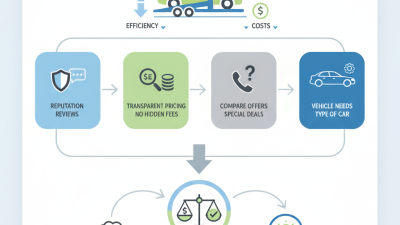
When comparing the top ten auto transport companies in China, examine operating evidence rather than advertising language. Ask about cargo insurance, claims procedures, subcontractor controls, delivery inspections, and written pricing. Transparent quotes separate port fees, storage, handling, and inland transport. Hidden charges often appear when schedules change. I would also review recent service records, although online testimonials can be incomplete or overly positive. No process is flawless. Delays can follow typhoons, congestion, or incomplete paperwork. The strongest operators document exceptions, communicate early, and correct mistakes with traceable actions. Small errors spread.
China Top 10 Best Auto Transport Companies?
A credible ranking starts with verified operating experience. Companies should show valid transport qualifications, suitable insurance, and trained dispatch staff. Vehicle handling matters, especially for electric cars, luxury models, and oversized vehicles. Inspectors should record existing scratches, tire condition, and battery status before loading. Clear photographs create useful evidence.
Pricing deserves careful review. A dependable carrier explains fuel charges, loading fees, storage costs, and possible delays before booking. Extremely low quotes may exclude necessary services. Delivery estimates should match real routes, seasonal weather, port schedules, and regional road limits. Tracking updates should include loading confirmation, location changes, and arrival notices. Communication must remain consistent.
Customer feedback can support the ranking, but it cannot decide everything. Review patterns matter more than one glowing comment. Look for repeated evidence about delivery accuracy, claim handling, vehicle care, and response times. Independent records and documented service terms strengthen reliability. A practical ranking should also assess service coverage, cancellation rules, payment security, and complaint resolution. No ranking is perfect. Data changes, and some reviews remain difficult to verify. That uncertainty should be stated openly.
This ranking framework uses practical auto-transport evaluation criteria. Service reliability, vehicle safety, pricing transparency, delivery coverage, and customer support are weighted according to their importance when comparing vehicle logistics providers in China. The percentages represent the evaluation model rather than data from any individual company.
China’s top ten auto transport companies differ by route coverage, equipment, and customer support. These profiles focus on practical performance, not advertising claims.
Profile One serves major coastal cities with enclosed carriers and photo inspections.
Profile Two specializes in cross-province delivery, using GPS updates at key transfer points.
Profile Three handles dealer shipments and provides signed condition reports.
Profile Four supports electric vehicles with trained loading teams and battery safety checks.
Profile Five offers flexible scheduling for private customers, although peak-season delays may occur.
Profile Six manages port-related transport and prepares clear customs documentation.
Profile Seven uses open carriers for lower costs, while weather exposure remains a consideration.
Profile Eight focuses on damaged or oversized vehicles, requiring careful route planning.
Profile Nine provides door-to-door service, but narrow residential streets can require nearby handover points.
Profile Ten serves business fleets and tracks several vehicles through one account.
Reliable providers explain insurance limits before pickup. They also confirm collection time, vehicle condition, mileage, and visible damage.
Experienced coordinators inspect tire pressure, loose parts, mirrors, and charging cables. Small details matter.
A useful comparison includes licensing, carrier qualification, complaint handling, delivery estimates, and written pricing. Some quotations look attractive but exclude storage or remote-area charges.
I have found that clear communication often matters more than the lowest fee. Even strong operators can make mistakes.
Customers should request updated photos when delivery takes longer than expected. Careful records protect both sides and make service problems easier to resolve.
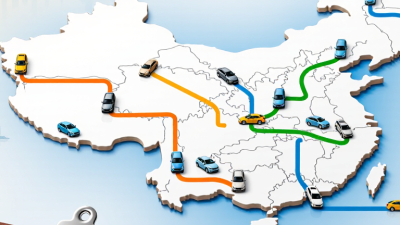
China’s auto transport market serves major cities, inland regions, and busy coastal ports. A dependable provider should explain its coverage clearly, including rural pickup limits and difficult road conditions. Door-to-door delivery is convenient, while terminal-to-terminal service may reduce costs. Confirm the exact pickup point before booking.
Vehicle shipping options vary by distance, vehicle size, and protection needs. Open transport usually costs less and suits standard cars. Enclosed transport offers stronger protection from dust, weather, and road debris. Rail shipping can support long domestic routes, while port-based services may handle international movement. Non-running vehicles need suitable equipment, such as winches or lift gates.
Experienced coordinators should provide written pricing, delivery estimates, inspection records, and cargo insurance details. Check whether the quoted price includes loading, storage, tolls, and final delivery. Hidden charges can disrupt a carefully planned budget. No route is perfectly predictable. Weather, traffic, and port congestion may cause delays, even with professional planning. I would also ask how status updates are handled, because vague communication creates unnecessary stress. A photo inspection at pickup and delivery gives both sides useful evidence. Some estimates still miss the mark. That is why clear terms and realistic time windows matter more than attractive promises.
| Rank | Service Profile | Primary Transport Mode | Typical Coverage Areas in China | Suitable Vehicle Types | Typical Transit Time | Pickup and Delivery Options | Documentation Commonly Required | Insurance and Protection |
|---|---|---|---|---|---|---|---|---|
| 1 | Domestic Door-to-Door Vehicle Shipping | Open truckEnclosed truck | Major cities and logistics corridors across Eastern, Central, Southern, and Northern China | Passenger cars, SUVs, MPVs, and light commercial vehicles | Approximately 3–10 business days, depending on route and season | Residential, dealership, terminal, or business-address pickup and delivery where access is suitable | Vehicle registration certificate, owner identification, transport order, and handover inspection record | Carrier liability coverage is commonly available; optional additional cargo insurance may be arranged |
| 2 | Intercity Rail Vehicle Transport | Rail freightTruck drayage | Rail-connected routes linking major inland hubs with coastal manufacturing and distribution centers | Standard passenger vehicles, SUVs, and multiple-vehicle consignments | Approximately 5–14 business days, including terminal handling | Terminal-to-terminal or door-to-terminal service with local trucking at origin and destination | Vehicle ownership or authorization documents, rail waybill, packing or inspection record, and identification | Rail cargo liability terms apply; customers should verify declared vehicle value and coverage limits |
| 3 | Coastal Ro-Ro Vehicle Shipping | Roll-on/Roll-off vesselPort trucking | Coastal ports such as Shanghai, Tianjin, Guangzhou, Shenzhen, Xiamen, and Dalian | Running passenger cars, SUVs, vans, buses, and commercial vehicles that meet port requirements | Approximately 7–20 business days, excluding port congestion and sailing schedules | Port-to-port, door-to-port, or door-to-door through contracted inland transport | Commercial invoice, vehicle title or registration, export declaration, authorization documents, and port forms | Marine cargo insurance is generally recommended; port handling and pre-existing damage exclusions may apply |
| 4 | Containerized International Vehicle Shipping | 20-foot container40-foot container | Major export ports in China with connections to Asia, Europe, North America, Oceania, and other markets | Luxury cars, classic cars, motorcycles, non-running vehicles, and vehicles requiring extra protection | Approximately 20–45 days port-to-port, depending on destination and transshipment | Factory, warehouse, or residential pickup subject to local access; destination delivery can be arranged | Commercial invoice, packing list, export documents, title or registration, passport or identification, and customs paperwork | Marine cargo insurance is strongly recommended; container loading, blocking, bracing, and seal records are important |
| 5 | Enclosed Transport for High-Value Vehicles | Enclosed carrierSpecial handling | Major metropolitan areas and established domestic transport corridors | Luxury cars, collector vehicles, sports cars, prototypes, and vehicles with sensitive finishes | Approximately 4–12 business days domestically | Scheduled door-to-door service or secure facility-to-facility delivery | Registration or title, identification, transport authorization, condition report, and declared-value information | Higher declared-value coverage may be available; a detailed photographic inspection is recommended |
| 6 | Non-Running and Damaged Vehicle Transport | Winch-equipped truckFlatbed carrier | Most metropolitan areas, industrial zones, repair centers, auctions, and salvage facilities | Accident-damaged vehicles, disabled cars, auction vehicles, and vehicles without a working drivetrain | Approximately 4–14 business days domestically | Pickup and delivery must provide sufficient space for a winch, forklift, or loading equipment | Vehicle documents, authorization letter, condition report, key availability, and special-loading instructions | Coverage depends on the declared condition; existing damage should be recorded before loading |
| 7 | Electric Vehicle and Battery-Sensitive Shipping | TruckRailSea freight | Major EV production centers, distribution hubs, inland logistics parks, and international ports | Battery electric vehicles, plug-in hybrids, and vehicles containing high-voltage traction batteries | Approximately 5–20 business days domestically; international timing varies by destination | Dealer, factory, warehouse, terminal, or approved residential pickup and delivery | Vehicle registration or title, battery and vehicle specifications, transport declaration, and hazardous-goods information when required | Battery state-of-charge limits, damaged-battery restrictions, and carrier acceptance rules must be confirmed in advance |
| 8 | Motorcycle and Compact Vehicle Shipping | Crated freightEnclosed truck | Nationwide domestic routes and international container services from major Chinese ports | Motorcycles, scooters, compact cars, microcars, and other small vehicles | Approximately 5–18 business days, depending on crating and terminal schedules | Door-to-door, terminal-to-terminal, or warehouse pickup and delivery | Registration or title, identification, packing list, export documents, and crate or handling instructions | Transit protection commonly covers handling risks; fuel, battery, and accessory requirements should be checked |
| 9 | Dealer, Fleet, and Multi-Vehicle Logistics | Multi-car carrierRailRo-Ro | Automotive manufacturing clusters, dealership networks, ports, logistics parks, and nationwide distribution routes | New vehicles, rental fleets, corporate fleets, buses, vans, and commercial vehicles | Approximately 3–15 business days domestically; international schedules vary by sailing | Factory-to-dealer, depot-to-depot, port-to-dealer, or scheduled multi-drop delivery | Fleet list, vehicle identification numbers, commercial invoices, transport orders, and delivery acceptance records | Per-vehicle or shipment-level cargo coverage may be arranged; loading sequence and inspection controls are important |
| 10 | Customs-Managed Import and Export Vehicle Shipping | Multimodal freightCustoms coordination | Chinese manufacturing regions, bonded logistics zones, airports, seaports, and international destination gateways | New vehicles, used vehicles where permitted, specialty vehicles, and commercial units | Approximately 25–60 days door-to-door for international shipments, depending on customs and destination rules | Factory or warehouse pickup, export-port handling, destination customs clearance, and final delivery | Commercial invoice, packing list, title or registration, export declaration, import permits, customs power of attorney, and compliance certificates | Marine or multimodal cargo insurance is recommended; duties, taxes, emissions, and safety compliance vary by destination |
| Transit times are typical planning ranges rather than guaranteed delivery dates. Actual pricing and availability depend on vehicle dimensions, operating condition, route, season, port or terminal capacity, customs requirements, insurance limits, and applicable Chinese and destination-country regulations. | ||||||||
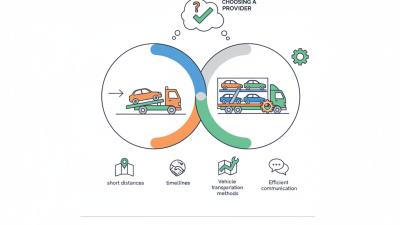
Choosing among China’s top auto transport companies requires more than comparing the lowest quote. A reliable provider should explain every stage, from vehicle pickup to port handling and final delivery. Ask about their operating experience with your route, customs coordination, cargo insurance, and estimated transit time. Request a written quotation that separates transport, storage, documentation, and possible port charges. Vague pricing often becomes expensive later.
Clear communication is equally important. The company should provide a responsible contact, regular tracking updates, and realistic answers about delays. Check whether they inspect the vehicle before loading and record existing scratches with photographs. This simple step can prevent difficult disagreements. I have found that careful documentation matters more than impressive promises. Still, no transport plan is perfect. Weather, port congestion, or paperwork corrections may change the schedule.
Tips: Compare at least three detailed quotations. Confirm insurance coverage and claim procedures in writing. Ask who handles damaged-vehicle reports. Verify the company’s registered business information and transport experience. Avoid providers demanding unexplained payments or refusing contracts. Read customer feedback carefully, but do not trust every review blindly. A local language contact can reduce misunderstandings. Keep copies of invoices, inspection photos, and conversations. Small details matter.