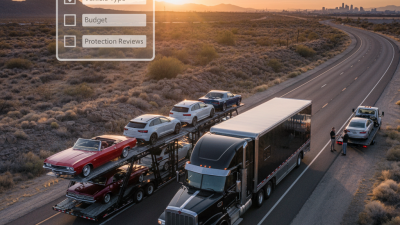
China’s automotive market offers global buyers wide choices, from compact electric vehicles to commercial vans and premium models. Yet purchasing a vehicle is only one part of the process. Reliable local auto transport connects factories, dealerships, inspection centers, warehouses, and export ports across China. The right service can reduce delays, protect the vehicle, and make international shipping easier to manage.
Small details matter. Experienced transport providers plan routes around traffic, weather, factory schedules, and port cut-off times. They should confirm the vehicle’s VIN, condition, dimensions, battery status, and loading method before departure. Clear photographs are useful. So are signed handover records. Professional companies also explain insurance coverage, storage charges, customs documentation, and destination requirements without making unrealistic promises. Buyers should verify business credentials, service history, and communication procedures before signing an agreement. Independent inspections can add another layer of confidence, especially for used vehicles or high-value models.
No provider is flawless. A careful buyer should still ask difficult questions about delays, damage claims, cancellation terms, and responsibility during transfers. One overlooked measurement can affect trailer selection or port handling. That is easy to underestimate. Strong local auto transport depends on transparent updates, trained drivers, suitable equipment, and documented accountability. This guide examines practical transport options for global buyers and highlights the standards that support safe, compliant, and dependable vehicle movement from China to international destinations.
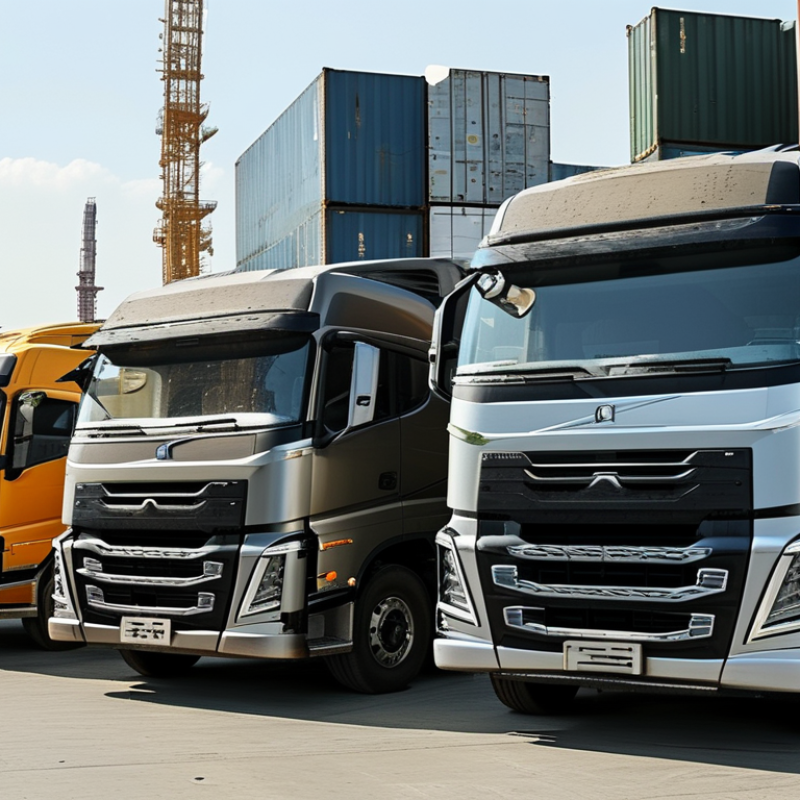
China’s auto export scale reached 5.86 million vehicles in 2024, according to CAAM. This figure shows how quickly China’s vehicle supply network is expanding for global buyers. It also creates higher demand for dependable local auto transport services.
A professional transport partner can arrange factory pickup, inland haulage, port delivery, and shipment coordination. Buyers should receive clear timelines, vehicle condition photos, cargo details, and document checks. Small gaps can cause costly delays. I have found that practical communication matters as much as price. Yet transport estimates are not always perfect, especially during port congestion or holiday periods. Buyers should allow reasonable buffer time.
Tips: Confirm the vehicle identification details before pickup. Ask for loading photos and updated tracking information. Check insurance coverage, customs requirements, and destination delivery terms. Use written records for every handover. A reliable provider should explain delays honestly, not hide them behind vague updates. Local transport experience is valuable, but it still needs careful verification for each shipment.
For global vehicle buyers, local transport in China is more than moving a car from a warehouse. It connects inspection yards, ports, rail terminals, and final loading points. Road transport offers the most flexible option. Enclosed trucks protect vehicles from rain, dust, and urban traffic. Open carriers cost less, but exposed vehicles need careful photo records before departure. A practical coordinator checks the chassis, tire pressure, fuel level, and loading angle.
Rail works well for inland routes and scheduled cargo planning. It can reduce long-distance road mileage and support predictable terminal handovers. However, rail availability may change with seasonal capacity and border procedures. Buyers should confirm terminal names, cutoff times, cargo dimensions, and required documents. We have seen delays begin with one unclear measurement. That small mistake can affect storage and onward delivery fees. A written handover record creates useful accountability.
Ro-Ro shipping suits vehicles moving through ports with compatible vessel services. Cars are driven onto the ship, secured on assigned decks, and released at the destination port. This method can simplify large-volume movements, though sailing schedules may be less frequent. Moisture exposure and handling risks deserve attention. Use condition reports, key inventories, and insurance checks before loading. Some estimates remain too optimistic when port congestion appears. Rechecking every transfer point is not wasted effort; it is where reliability is built.
China’s NEV exports reached 1.28 million units in 2024, rising 6.7% year on year, according to the China Association of Automobile Manufacturers (CAAM). This growth is reshaping local auto transport services for global buyers. The International Energy Agency reported over 17 million electric car sales worldwide in 2024. That demand creates pressure on inland trucking, port coordination, customs documents, and battery handling.
A reliable local forwarder should provide vehicle inspection, chassis protection, export-document checks, and clear loading records. For example, one missed port appointment can delay several vehicles, not just one. Battery state-of-charge rules also need confirmation before pickup.
Shipping methods differ by destination, vehicle size, and port capacity. RoRo transport may reduce handling, while container shipping can offer tighter protection.
Real operations are rarely perfect. Weather, terminal congestion, and document corrections still cause delays.
Tips: Ask for a written timeline covering factory pickup, port entry, vessel departure, and final delivery. Confirm insurance limits and battery declarations before payment. Request dated photos showing the odometer, exterior condition, and loading process. CAAM data shows strong export momentum, but volume alone does not guarantee smooth service. Buyers should compare local experience, tracking quality, and response speed, not only the lowest quotation.
Choosing a local auto transport provider in China requires more than comparing quotes. Global buyers need evidence of daily operating control. Ask for live tracking with location updates, not only status emails. A reliable coordinator explains pickup photos, loading checks, and handover records. Transit time should include port queues, customs preparation, and inland delivery. Promises that sound perfect deserve questions. Real schedules change, especially during holidays or severe weather.
Damage control begins before the vehicle moves. Request timestamped photos of wheels, glass, paint, interior, and odometer. Confirm who signs the inspection report at pickup and arrival. Protective wrapping, secure tie-downs, and moisture checks matter during long container or carrier journeys. Insurance terms need careful reading. Check coverage limits, exclusions, claim deadlines, deductibles, and required evidence. A low fee may hide narrow protection. I once underestimated documentation time; that mistake delayed a claim.
Tips: Keep one shared file for quotes, photos, tracking links, inspection reports, and insurance contacts. Ask for an escalation contact who can answer within one business day. Compare actual delivery records, not polished testimonials alone. Request a written service scope covering delays, damage reporting, and communication frequency. Leave room for uncertainty.
For global buyers, local auto transport from China begins with document discipline, not a truck booking. Each vehicle should have a verified 17-character VIN, matching the purchase invoice, registration record, and inspection file. UNECE vehicle standards recognize VIN identification as a core traceability tool. A mismatched digit can delay customs clearance or trigger a physical inspection. Small errors compound.
Customs files normally include the commercial invoice, packing list, export declaration, transport document, and certificate of origin when required. The selected Incoterm must define who pays inland delivery, export handling, insurance, ocean freight, and destination charges. Under Incoterms 2020, risk does not always transfer when the buyer receives the vehicle. That detail is often misunderstood. A lower quoted price may exclude terminal handling, storage, documentation, inspection, or demurrage fees.
UNCTAD’s Review of Maritime Transport 2024 states that over 80% of global merchandise trade moves by sea, making port coordination commercially important. Port fees vary by terminal, vehicle dimensions, storage days, and customs status. The World Bank’s Logistics Performance Index 2023 also highlights customs efficiency and shipment tracking as major logistics factors. In practice, buyers should request a written landed-cost sheet before dispatch. It should show currency, tax assumptions, free-storage time, and payment responsibility. A spreadsheet is useful, but not infallible. Recheck the figures when vessel schedules or port rules change.