How to Choose the Best Car Transport Service for Your Needs?
Choosing the best car transport service can be overwhelming. With numerous options available, it’s crucial to assess your specific needs. You may require transport for a classic car, a family vehicle, or possibly an inoperable one. Evaluating these details can help narrow your choices.
Many companies promise safe and reliable transport. However, not all deliver on those promises. Reading reviews and checking ratings can shed light on their reputations. Pay attention to common complaints about delays or damage during transport. Sometimes, lower prices may indicate subpar services.
In the quest for the best car transport, consider factors like insurance coverage and tracking options. Does the company offer real-time updates? Can you reach customer service easily? These elements can make a significant difference in your experience. Ultimately, investing time to research ensures you choose a service that meets your expectations.
Factors to Consider When Selecting a Car Transport Service
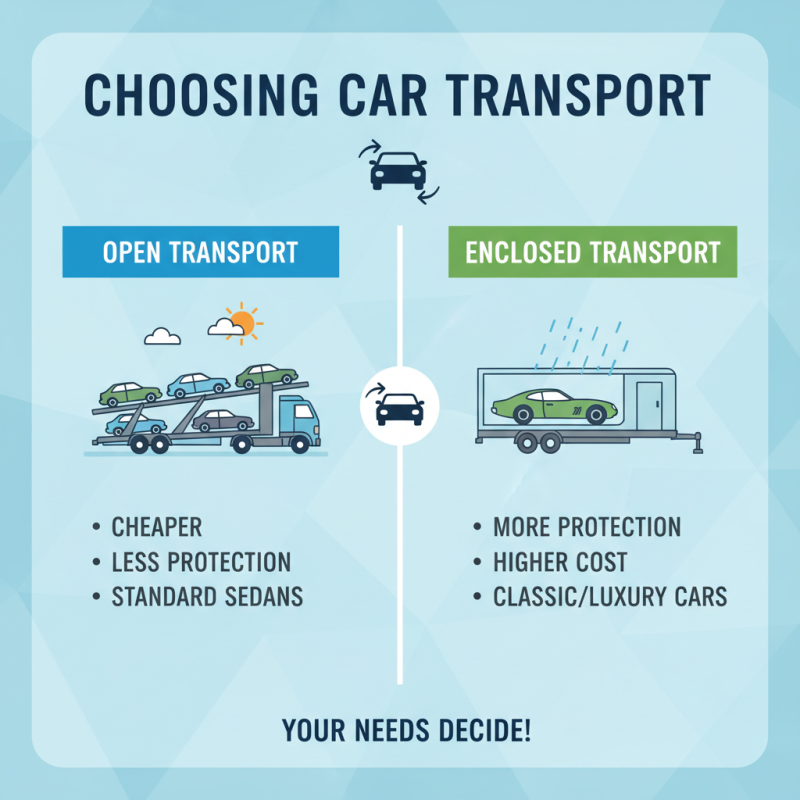
Choosing the right car transport service is crucial. Consider your specific needs before making a decision. Think about the type of vehicle you need to transport. Is it a classic car or a standard sedan? The transport method can vary widely. Open transport is cheaper but offers less protection. Enclosed transport protects vehicles from the elements, yet it may cost more.
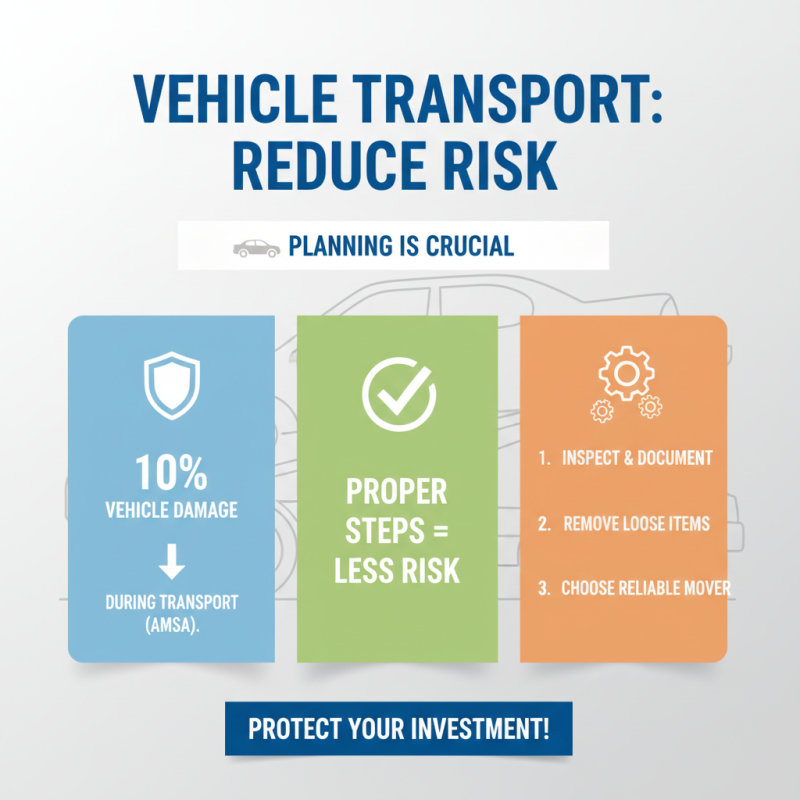
Next, evaluate customer reviews and ratings. Look for a service with high ratings and positive feedback. Trustworthiness is essential. Ask about insurance coverage too. What happens if there is damage during transport? Understanding the insurance details can save you from future headaches. Communication is another factor. A company that is easy to reach is invaluable.
Don’t rush your decision. Familiarize yourself with various options. Some companies may have hidden fees. Be wary of deals that seem too good to be true. Transparency is key when discussing costs. Finally, ensure you feel comfortable with your choice. It's okay to have doubts. Reflect on your options and take the time to choose wisely.
Types of Car Transport Services Available
When selecting a car transport service, understanding the options available is crucial. Various types of car transportation services exist, each catering to different needs. Open transport is quite common and affordable. It involves carrying vehicles on an open trailer. This method can expose cars to the elements but significantly reduces costs. Approximately 75% of vehicle transportation utilizes this method, according to industry reports.
On the other hand, enclosed transport provides an added layer of protection for high-value or classic cars. Vehicles are transported inside a fully enclosed trailer, shielding them from weather and road debris. While this service is pricier, around 20% of car owners opt for it, emphasizing its appeal for luxury and vintage models. The choice often depends on the vehicle's value and the owner’s budget.
Additionally, door-to-door service offers convenience for busy individuals. This service picks up and delivers cars at specified locations, cutting down on time and effort. However, some companies may charge extra for this service. As the demand for vehicle transport rises, consumers must weigh these options critically. Each transport type comes with benefits and drawbacks, and careful consideration is essential.
How to Choose the Best Car Transport Service for Your Needs? - Types of Car Transport Services Available
| Type of Service |
Description |
Typical Cost Range |
Delivery Time |
Best For |
| Open Transport |
Vehicles are transported on an open carrier, exposed to the elements. |
$700 - $1,200 |
1 to 2 weeks |
Standard vehicles, budget-friendly option |
| Enclosed Transport |
Vehicles are shipped in a fully enclosed trailer for protection. |
$1,000 - $1,500 |
1 to 3 weeks |
Luxury or classic cars, maximum protection |
| Door-to-Door Transport |
The transport service picks up and delivers the car at specified addresses. |
$800 - $1,400 |
1 to 2 weeks |
Convenience and ease of pickup/delivery |
| Terminal-to-Terminal Transport |
Vehicles are dropped off and picked up at freight terminals. |
$600 - $1,000 |
1 to 2 weeks |
Cost-effective for people willing to travel |
| Expedited Transport |
Faster service for urgent transport needs. |
$1,200 - $2,000 |
1 to 5 days |
Quick relocation for urgent situations |
Evaluating the Reputation of Car Transport Companies
When choosing a car transport service, evaluating a company's reputation is crucial. Start by researching online reviews. Websites often host customer experiences. Look for patterns in the feedback. A few negative comments could be normal, but a constant stream of complaints raises red flags.
Consider asking friends or family for recommendations. Personal experiences can provide insight that online reviews may not capture. However, remember that what works for one person may not fit your needs. Trust but verify.
Check if the company is registered and has insurance. This protects you in case of damage. Sometimes, claims can be hard to process, especially if the company has a shaky reputation. Lastly, don't ignore your instincts. If something feels off, it might be worth reconsidering your options.
Understanding Pricing and Quotes for Car Transport Services
Choosing the right car transport service involves understanding pricing and quotes. Typically, costs vary based on distance, vehicle type, and the chosen transport method. According to the National Automobile Dealers Association, average transport fees range from $500 to $1,500 for interstate moves. Factors like seasonality and fuel prices can also impact rates.
For quotes, it’s essential to get multiple options. Many companies offer online estimates, which can be misleading. Often, additional fees appear later. It's crucial to ask about hidden costs, such as insurance and terminal fees. Research shows that about 20% of customers feel surprised by final charges.
Transparency is key in this industry. Look for reviews highlighting a company's communication regarding pricing. In a recent survey, 30% of clients reported dissatisfaction due to unclear or incorrect quotes. Understanding these nuances helps you choose a transport service that aligns with your budget and expectations.
Car Transport Service Pricing Analysis


 Track Your Shipment
 Online Enquiry
 Sign In
 English