How to Ship Auto Transport Effectively and Safely?
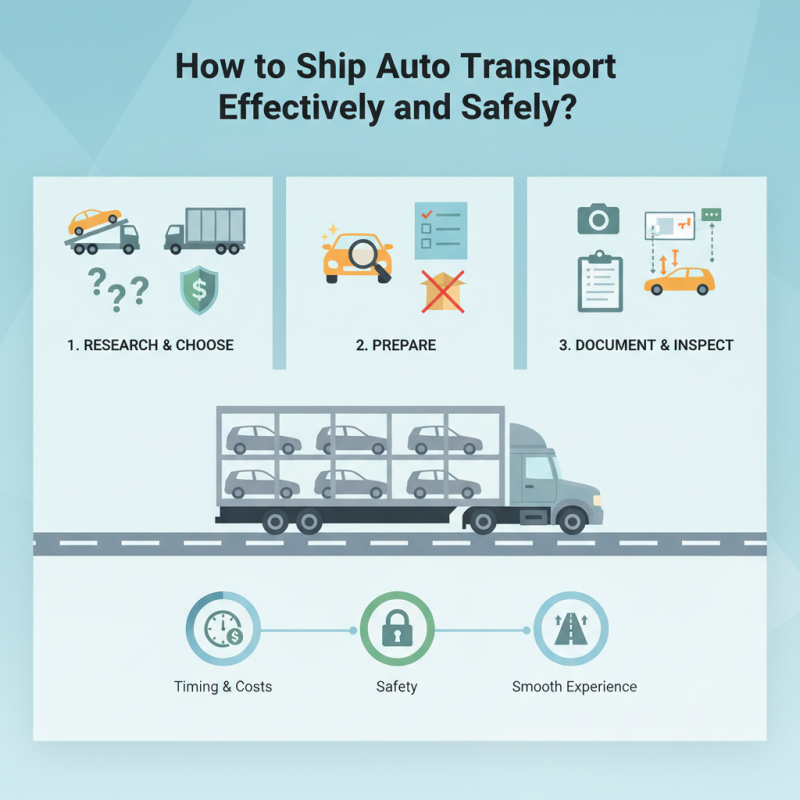
When you ship auto transport, many factors come into play. It's not just about loading a vehicle onto a truck. You need to consider safety, timing, and costs. A small mistake can lead to serious consequences. This guide will examine how to send your vehicle with efficiency and care.
Choosing the right auto transport service can be challenging. You may have questions about the best methods. Is an open carrier better than an enclosed one? What about insurance coverage? It’s essential to research these aspects before making a decision. Each choice impacts your shipment's safety and cost.
Preparation is key when you ship auto transport. Clean your vehicle and remove personal items. Inspect the car for existing damage. Documenting its condition can save you from future disputes. This attention to detail can be a game-changer. Reflecting on these steps helps ensure a smoother experience.
Understanding Auto Transport: Types and Methods
Understanding auto transport starts with recognizing its various types and methods. Different vehicles require different approaches. Open transport is the most popular method. It is cost-effective and can carry multiple cars simultaneously. However, exposure to the elements is a downside. Rain, snow, and sunlight can affect a vehicle’s condition during transit. Some might stress about the risk of damage.
Enclosed transport offers more protection. Vehicles are shipped in trailers that shield them from weather and road debris. This method suits luxury or classic cars. Still, it comes at a higher cost. The debate on which method is better often arises. It depends on the value and condition of the vehicle. Consider these factors carefully. Many customers overlook their unique needs, leading to dissatisfaction later on.
Communication with the transport company is crucial, regardless of the method chosen. Questions about pick-up and delivery times should be clear. Many people fail to ask about insurance and liability, leaving them vulnerable to unforeseen issues. Reflecting on these details can save stress. Ultimately, choosing the right transport method requires thought and planning.
How to Ship Auto Transport Effectively and Safely? - Understanding Auto Transport: Types and Methods
| Transport Method |
Description |
Average Cost |
Estimated Transit Time |
Recommended For |
| Open Transport |
Vehicles are transported on an open trailer, exposed to the elements. |
$800 - $1,200 |
5 - 10 days |
Standard vehicles, cost-effective solutions |
| Enclosed Transport |
Vehicles are transported in a fully enclosed trailer for protection. |
$1,200 - $2,000 |
7 - 14 days |
Luxury or classic cars, high-value vehicles |
| Flatbed Transport |
Vehicles are loaded onto a flatbed truck for transport. |
$600 - $1,500 |
3 - 7 days |
Non-running vehicles or special configurations |
| State-to-State Transport |
Transport services specifically for long-distance moves. |
$1,000 - $2,500 |
5 - 15 days |
Relocations across states, moving multiple vehicles |
| Rail Transport |
Vehicles are transported via train, generally over long distances. |
$800 - $1,500 |
7 - 21 days |
Economical for long distances, bulk shipping |
Preparing Your Vehicle for Safe Shipping
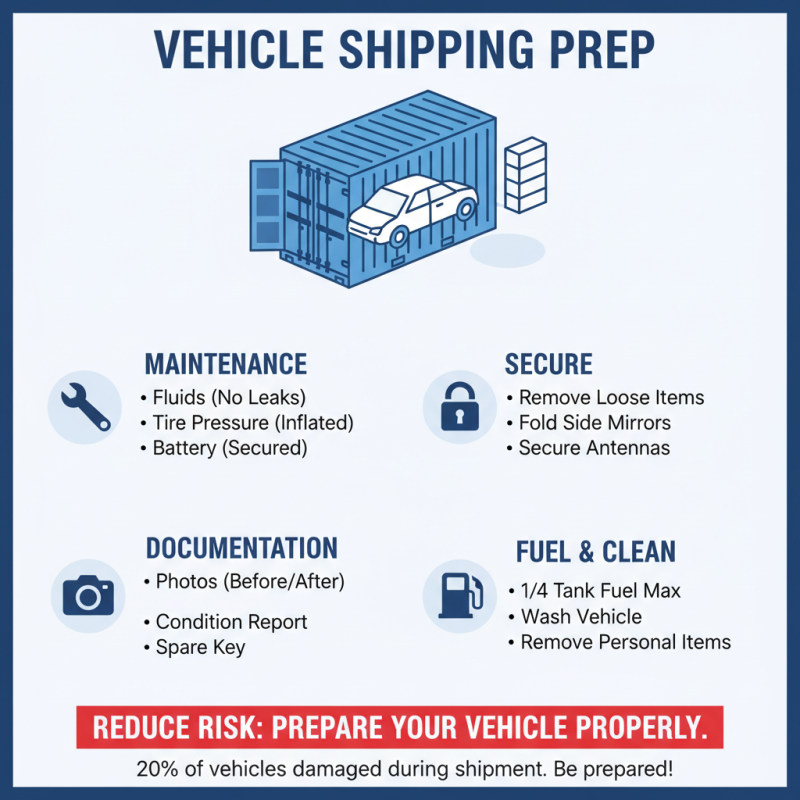
Preparing your vehicle for safe shipping is crucial. A well-prepared vehicle reduces risks during transport. According to industry data, roughly 20% of vehicles experience damage during shipment. This highlights the need for proper preparation.
Start by cleaning your vehicle. A thorough wash helps spot pre-existing scratches or dents. Take photos from various angles. This documentation can be vital if issues arise later. Remove all personal items from the car. Loose objects can shift and cause damage. Additionally, ensure your gas tank is about a quarter full. This minimizes weight, reducing shipping costs and risks.
Inspect your vehicle’s battery and tire pressure. An under-inflated tire or weak battery can lead to delays. Secure any movable parts. If your vehicle has a roof rack, consider removing it to prevent potential damage. It's also essential to check for leaks. Any fluids could create hazards during transport. Following these steps may seem tedious, yet they can prevent costly mistakes. Vehicle preparation plays a vital role in ensuring a safe shipping experience.
Choosing a Reliable Auto Transport Company
When choosing a reliable auto transport company, it's essential to consider a few critical factors. Research shows that approximately 30% of consumers report dissatisfaction with their auto transport experiences due to poor service or damaged vehicles. A trustworthy company should have a solid reputation, demonstrated through customer reviews and compliance with industry regulations.
Investigate their licensing and insurance coverage. The Federal Motor Carrier Safety Administration (FMCSA) data indicates that more than 1,000 complaints are filed annually against auto transporters. Selecting a company with a low complaint rate can reduce risks. Look for those with the necessary bonding and insurance, as these safeguards protect your vehicle during transit.
Additionally, ask about their tracking capabilities. Companies offering GPS tracking can provide real-time updates, which enhances transparency. A study from the American Transportation Research Institute found that timely updates significantly improve customer satisfaction rates. Be wary of companies that cannot provide this information. You want to ensure your vehicle is monitored throughout the journey, minimizing the chances of loss or damage.
Auto Transport Cost Analysis by Distance
Best Practices for Loading and Unloading Your Vehicle
Loading and unloading your vehicle during auto transport requires careful attention. Proper loading can prevent damage. According to a recent industry report, 80% of vehicle damages occur during loading and unloading. This highlights the importance of following best practices.
Ensure your vehicle is in good condition before transport. Remove any personal items. Double-check tire pressure and fluid levels. Overloading your vehicle can lead to issues during transport. Professional haulers recommend that everything be secured tightly. Even slight movements can cause scratches or dents.
Use ramps for loading and unloading. They provide a gradual incline, reducing stress on your vehicle’s suspension. Clear the area of debris. Work with at least two people to guide the vehicle. This collective effort minimizes the risk of accidents. Remember, haste often leads to mistakes. Reflecting on your process may help improve future outcomes. Always take time to assess surroundings and conditions before starting.
Insurance and Liability Considerations in Auto Transport
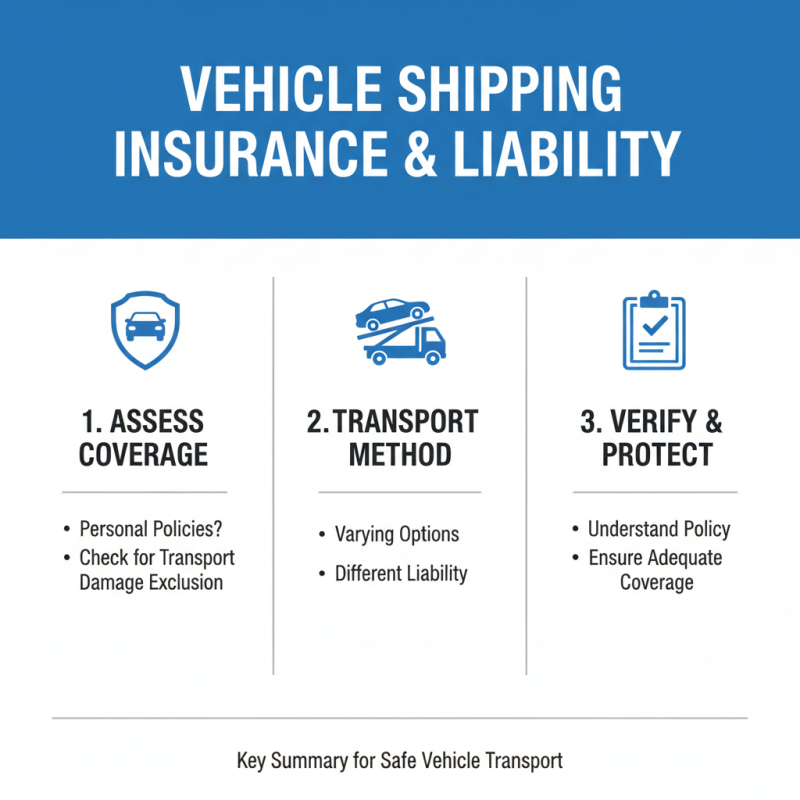
When shipping vehicles, understanding insurance and liability is crucial. Different transport methods may come with varying coverage options. It's essential to assess what existing insurance you might have. Some personal policies may not cover transport damage. Therefore, verifying your coverage is key.
Additionally, choosing a transport company often means evaluating their liability options. Many companies offer additional insurance. This extra layer can protect your vehicle during transit. However, not all carriers provide equal protection, so doing thorough research is necessary. Ask questions about their claims process. A transparent approach can reveal a lot about their reliability.
While insurance can provide peace of mind, it’s not foolproof. Accidents can still happen. In cases of damage, understanding the claims process can be frustrating. Expect delays or bureaucratic hurdles. Being prepared for these realities can help manage your expectations. Ultimately, thorough preparation and informed choices are the best defense against transport mishaps.


 Track Your Shipment
 Online Enquiry
 Sign In
 English