

 Track Your Shipment
 Online Enquiry
 Sign In
 English
How to Get Cheap Auto Transport Quotes?
Finding cheap auto transport is possible, but the lowest advertised price may not be the safest choice. A reliable quote should reflect your vehicle’s size, pickup distance, delivery route, transport method, and scheduling flexibility. Experienced shippers usually compare several written estimates instead of trusting one impressive number. Small details matter. A large SUV may cost more than a compact sedan. Enclosed transport often costs more than open transport, but it provides extra protection from weather and road debris.
Request quotes from established carriers or reputable brokers. Check their licensing, insurance information, customer reviews, and communication habits before booking. Ask whether the price includes fuel surcharges, tolls, storage, door-to-door service, and pickup or delivery changes. These questions can prevent an unpleasant surprise near your driveway. A professional provider should explain the process clearly and describe what happens during inspection, loading, transit, and delivery.
Be realistic about timing. Flexible dates and nearby pickup locations can reduce costs, while urgent shipping may increase them. A cheap auto transport quote can also change if your vehicle is inoperable, oversized, or located on a narrow street. Many customers focus only on price. That is an understandable mistake, but it can create delays or weak service. Read the terms carefully, photograph the vehicle before loading, and keep every written agreement. The cheapest option is not always the best value. Still, careful comparison can reveal fair pricing without sacrificing basic safety, transparency, or professional support.

Define Your Auto Transport Needs and Delivery Requirements
Cheap auto transport quotes begin with accurate delivery requirements, not the lowest number on a screen. Before requesting prices, record the vehicle’s year, size, running condition, and approximate weight. A non-running car may need a winch, special loading equipment, or extra handling time. Mention modifications, loose parts, and personal items honestly. I once forgot to report a roof rack, and my estimate changed after inspection. That mistake taught me to describe the vehicle precisely.
Your pickup and delivery locations also shape the quote. A narrow residential street may require a larger, safer meeting point. Give the exact city, postal code, and preferred access point. Rural roads, steep driveways, and apartment restrictions can affect loading. Choose open transport for ordinary vehicles when weather exposure is acceptable. Enclosed transport may suit valuable or delicate cars, but it usually costs more. Flexible dates can sometimes reduce the rate. Tight deadlines often increase it.
Ask what the estimate includes before comparing prices. Request written details about pickup windows, delivery windows, fuel charges, storage, and cancellation terms. Confirm how damage inspections are recorded before loading. Check that appropriate cargo insurance exists, and ask about its limits. Delivery dates are estimates, not promises. Traffic, weather, and mechanical delays can change plans. My own planning has not always been perfect. I now leave extra time and question unusually low quotes instead of accepting them quickly.
| Planning Factor | Information to Define | Common Choices or Requirements | How It Can Affect the Quote |
|---|---|---|---|
| Vehicle Type | State the vehicle category, approximate size, weight, and whether it has unusual dimensions. | Sedan, compact SUV, full-size SUV, pickup truck, van, classic car, or oversized vehicle. | Larger and heavier vehicles use more carrier space and may cost more to transport than standard passenger cars. |
| Vehicle Condition | Confirm whether the vehicle starts, rolls, steers, and brakes normally. | Operable or inoperable; disclose flat tires, damaged wheels, non-running engines, or steering problems. | An inoperable vehicle may require a winch, special loading equipment, or extra labor, increasing the total price. |
| Origin and Destination | Provide the pickup ZIP code, delivery ZIP code, and the complete addresses when available. | Major city, suburban area, rural location, terminal, residence, workplace, or another approved meeting point. | Longer distances usually cost more, while locations near major freight routes may offer more carrier availability and competitive pricing. |
| Pickup and Delivery Access | Describe road width, parking space, low branches, steep driveways, gates, and restrictions for large trucks. | Door-to-door service where accessible, or a nearby safe and legal meeting location. | Difficult access can require a local transfer, additional coordination, or a longer walking distance for the driver. |
| Transport Method | Choose the level of vehicle protection and exposure that matches the vehicle and budget. | Open carrier for general transportation; enclosed carrier for high-value, vintage, exotic, or heavily customized vehicles. | Open transport is generally the lower-cost option, while enclosed transport typically costs more because capacity is limited and protection is greater. |
| Delivery Timing | Set the earliest pickup date, required delivery date, and flexibility of the schedule. | Flexible dates, standard scheduling, expedited pickup, or a firm delivery deadline. | Flexible timing can allow better route matching. Expedited service or strict deadlines may increase the quote. |
| Season and Route Demand | Consider the time of year, regional traffic, weather, and seasonal relocation patterns. | Regular-season shipment, winter-weather route, holiday period, or high-demand relocation season. | Prices can rise when demand is high, capacity is limited, or weather and road conditions create additional operating challenges. |
| Personal Items in the Vehicle | Ask whether personal property may remain inside the vehicle and confirm the applicable weight and safety rules. | Empty vehicle, or only a small quantity of secured items placed below the window line when permitted. | Extra cargo may be prohibited, may require disclosure, or may create additional charges. Items should not block the driver’s view or access to the vehicle. |
| Vehicle Preparation | Prepare the vehicle before inspection and loading. | Remove loose belongings, document existing damage, leave about one-quarter tank of fuel, disable alarms, and keep keys available. | Proper preparation reduces loading delays, prevents avoidable disputes, and helps the carrier calculate equipment and handling requirements accurately. |
| Pickup and Delivery Flexibility | Confirm whether someone can meet the driver at both locations and whether alternate contacts are available. | Flexible contact person, scheduled appointment window, or authorized representative. | Reliable coordination can reduce delays and failed-attempt fees. Exact times may be difficult because transport schedules depend on traffic and weather. |
| Insurance and Inspection | Request the carrier’s cargo-insurance information and complete a condition report at pickup and delivery. | Pre-shipment photographs, written damage inspection, signed pickup report, and signed delivery report. | Insurance verification may not lower the price directly, but it helps clarify protection, exclusions, deductibles, and the claims process before booking. |
| Quote Comparison | Compare the same vehicle details, route, service type, dates, and payment terms across multiple written quotes. | Compare total price, estimated pickup window, cancellation terms, included services, and payment schedule. | A very low quote may exclude access fees, service upgrades, or realistic scheduling. The most useful comparison is based on matching service terms. |
Related Posts
-

Top 10 Companies for International Car Transport Services?
-
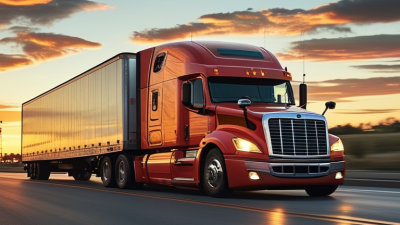
What is Shipping Auto Transport and How Does It Work?
-
10 Essential Tips for Smooth Car Shipping: Save Time and Money
-

2026 How to Choose the Best Vehicle Transport Options for Your Needs?
-

10 Essential Tips for Choosing the Best Car Mover Auto Transport Services
-
2026 How to Effectively Use Auto Transport Services for Your Vehicle Move?

