2026 How to Transport Cars from Canada to the US Efficiently?
Transporting cars from Canada to the US can be a challenging process. Many factors come into play, from regulations to logistics. According to Brian Thompson, a transport logistics expert, “Understanding the nuances of canada to us car transport is essential for efficiency.”
Planning is key. You need the right documents, customs forms, and identification ready. This preparation helps avoid delays at the border. Various transport options exist. Some prefer open carriers while others choose enclosed transport to protect their vehicles. Each method has its pros and cons.
Choosing a reliable company is vital. Not all transport services offer the same level of reliability. You want a service that communicates well and adheres to schedules. However, even the best might face unforeseen challenges. Consider this before making your decision, and contemplate how to effectively navigate these complexities in the car transport process.

Understanding the Regulations for Transporting Cars from Canada to the US
Transporting cars from Canada to the U.S. involves understanding various regulations that govern this process. Importing a vehicle requires compliance with the U.S. Environmental Protection Agency (EPA) and the Department of Transportation (DOT) standards. According to the U.S. Customs and Border Protection, individuals must present a valid title, proof of ownership, and adhere to emission regulations. Specific paperwork is essential for smooth transportation.
Timing can significantly impact costs and efficiency. Research suggests that shipping during off-peak seasons may reduce expenses by nearly 15%. However, delays may occur due to paperwork discrepancies. Incorrect documents can lead to longer wait times at borders. Many might overlook the importance of maintaining clear communication with transport companies. A study shows that miscommunication affects 30% of logistics operations.
Additionally, one must be aware of customs duties that may apply. These fees can vary widely based on vehicle type and age. For example, classic cars might have different rates compared to newer models. Being well-prepared with necessary compliance and documentation can greatly reduce hassles during transport. Identifying potential pitfalls upfront can save time and money.
Vehicle Transport Regulations: Canada to US (2026)
Choosing the Right Method for Car Transport: Options Explained
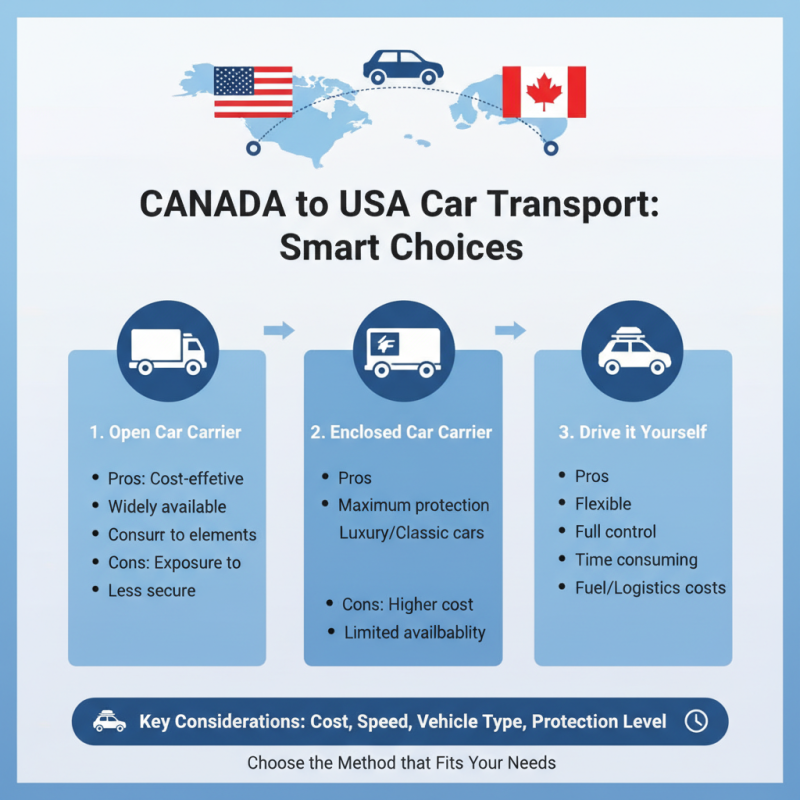
Transporting cars from Canada to the US can be challenging. It's important to choose the right method for efficient delivery. There are several options available, each with its pros and cons.
Open transport is a common choice. Reports show that about 70% of vehicle shipments use this method. It is cost-effective and fast. Cars are loaded onto an open trailer, making it suitable for many vehicles. However, exposure to weather and road debris can be a concern. To mitigate this, some might consider using a car cover.
Enclosed transport offers more protection but at a higher cost. This option shields vehicles from the environment. Data suggests this method is preferred for luxury or classic cars. It guarantees security but can take longer. Additionally, not all companies provide this service, leading to potential delays.
Each method comes with its trade-offs. Evaluating factors like cost, vehicle type, and transport time is crucial. Many overlook these aspects, which can lead to dissatisfaction. Taking time to reflect on these options can lead to better decisions. Always consider reliability and choose a trusted provider for a smoother experience.
Preparing Your Vehicle for Transport: Essential Steps
When preparing your vehicle for transport from Canada to the US, focus on key essentials. Start by clearing out personal items. Take everything out of the trunk, glove compartment, and backseat. Loose items can shift during transport and cause damage.
Next, check the fuel level. Keep it low, around a quarter tank. This reduces weight and minimizes risk. Inspect your vehicle for any leaks or mechanical issues. Note any existing damages, too. It’s helpful when comparing after delivery.
Tips: Always take pictures of your vehicle before transporting. Document any scratches, dents, or other details. This protects you if there are disputes later. Plus, consider using a cover. It can shield your vehicle from dust and debris during transit.
Lastly, don’t forget to disable your alarm system. An active alarm can drain the battery during transport. Ensure your contact information is visible and up-to-date. Communication is key if any issues arise during transportation. These steps make the process smoother.
Finding Reliable Auto Transport Companies: Tips and Recommendations
Transporting cars from Canada to the US can be challenging. Finding reliable auto transport companies is crucial. You want a company that values your vehicle and provides excellent service. Look for companies with strong online reputations and positive customer reviews. Check their ratings on various platforms. This can give you a clearer picture.
Ask friends or family for recommendations. Personal experiences can lead you to trustworthy options. After that, compare quotes from different companies. Be cautious of prices that seem too good to be true. Sometimes, low costs may indicate poor service or hidden fees. Transparency is essential.
Consider the services offered. Some companies provide door-to-door service, while others require you to drop off your car. Understand the policies regarding insurance and damages. This can prevent future conflicts. Reflect on your choices and don’t rush. A good decision takes time and research. Your car deserves better than just any transport service.
Cost Considerations and Budgeting for Car Transportation Across Borders
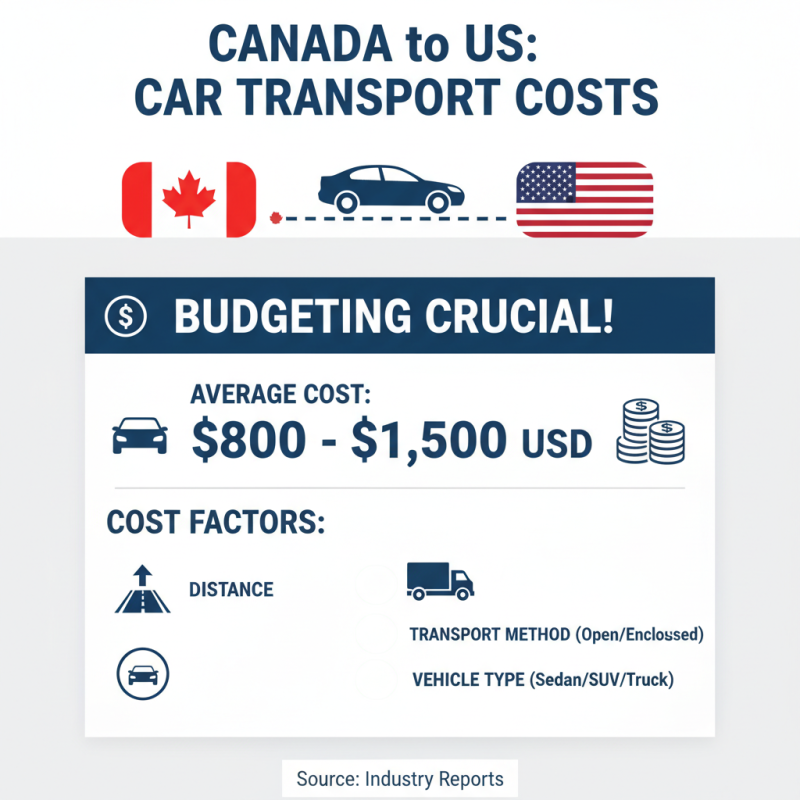
Transporting cars from Canada to the U.S. can be expensive. Understanding cost considerations is crucial for effective budgeting. According to industry reports, the average cost for shipping a vehicle across the border ranges from $800 to $1,500. These costs can vary depending on distance, transport method, and the type of vehicle.
Fuel prices also play a role in transportation costs. With fuel prices fluctuating, it’s essential to budget for potential increases. If using a transport company, additional fees may arise. Documents and customs fees can add up, sometimes reaching $300. Many overlook these hidden costs. Skipping these could lead to unexpected expenses.
Choosing between open and enclosed transport affects pricing as well. Open transport is generally cheaper but less secure. Enclosed transport provides better protection but comes at a premium. Weighing these options is critical. A comprehensive budget should factor in vehicle condition and potential inspections upon arrival.


 Track Your Shipment
 Online Enquiry
 Sign In
 English