
Finding reliable car delivery transport in 2026 requires more than comparing the lowest online quote. A polished website can hide weak communication, unclear insurance, or limited carrier experience. Real reliability appears in small details: a written pickup window, accurate vehicle measurements, and prompt answers when plans change. I have learned that careful questions often reveal more than impressive advertising.
A dependable provider should explain its booking process, cargo coverage, cancellation terms, and delivery inspection procedure. Ask whether the company uses verified carriers and provides tracking updates during transit. Confirm the pickup and drop-off addresses, vehicle condition, fuel level, mileage, and existing scratches with dated photographs. These records can prevent confusion later. Independent reviews also matter, especially when customers describe delays and how the company resolved them. One glowing testimonial proves very little.
Pricing deserves attention, but low cost should not become the only deciding factor. Seasonal demand, distance, vehicle size, route availability, and transport type can change the final estimate. Request a detailed quote instead of accepting a vague promise. No checklist is perfect. Even experienced customers can overlook a small contract clause or assume delivery dates are guaranteed. That is why this guide focuses on practical verification, transparent communication, and evidence-based decisions. By examining carrier credentials, service limitations, and customer experiences, you can choose car delivery transport with greater confidence in 2026. Reliable service is not always flawless. It is accountable when problems occur.
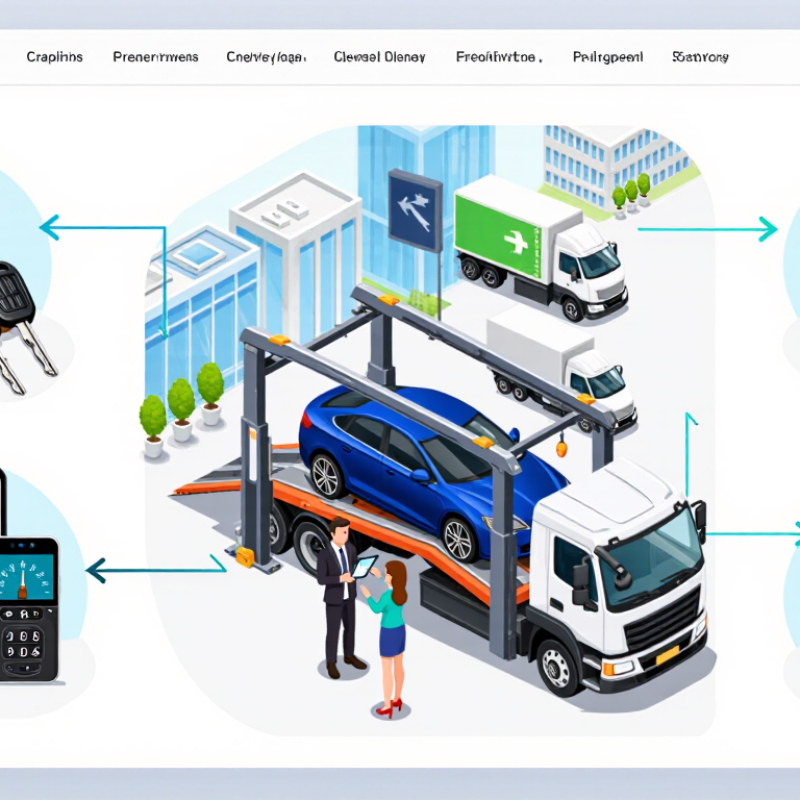
How to Find Reliable Car Delivery Transport in 2026?
Reliable car delivery starts with clearly defining your shipping requirements. Identify the vehicle type, exact dimensions, weight, and running condition. A non-running vehicle may need winch assistance and extra loading space. Measure its height carefully, especially with roof racks or modified suspension. Small details matter.
Set realistic pickup and delivery dates. A fixed appointment may cost more than a flexible delivery window. Provide complete addresses, gate codes, parking limits, and road restrictions. Mention seasonal weather concerns, too. Do not leave these details for the carrier to discover later. That creates avoidable delays.
Ask each transport provider how they protect the vehicle during loading and transit. Confirm whether open or enclosed transport suits your vehicle, route, and budget. Request written information about cargo insurance, cancellation terms, damage procedures, and delivery timing. Check operating authority, safety records, and recent customer feedback through independent sources. Photos from the inspection should show every existing scratch, wheel, window, and dashboard warning. Keep a signed copy.
A low quote can hide important exclusions. Compare the full service, not just the headline price. I have seen planning fail because a customer forgot the vehicle key or supplied an unreachable phone number. That mistake is simple, but expensive. Recheck every detail before scheduling, then ask questions when an answer feels vague. Reliable transport depends on clear expectations from both sides.
In 2026, a reliable car transporter should be more than a polished website. Verify its USDOT number through the Federal Motor Carrier Safety Administration’s SAFER database. Check that the operating status is active, the legal name matches the contract, and the carrier’s vehicle count appears credible. An inactive record is a serious warning.
Insurance deserves careful attention. For many interstate, non-hazardous property carriers, federal rules require at least $750,000 in public liability coverage. However, that figure may not protect your vehicle’s full value. Request a current certificate of insurance and confirm cargo coverage, policy dates, exclusions, and deductibles directly with the insurer. Do not rely on a screenshot. According to FMCSA’s 2023 Large Truck and Bus Crash Facts report, large trucks were involved in 5,837 fatal crashes in 2022. The number does not prove a transporter is unsafe, but it supports stricter verification.
Industry credentials can add useful evidence, especially when paired with real operating history. Review complaint patterns, inspection results, and safety ratings in official records. Ask for recent shipment references, not only testimonials. I once considered a carrier with excellent reviews, yet its insurance certificate had expired. That small oversight could have become expensive. Credentials help, but current documents matter more.
A reliable car delivery service is not always the one with the lowest quote. Compare open and enclosed transport, pickup windows, insurance terms, and whether the price is binding. Open carriers usually cost less and suit standard vehicles; enclosed trailers offer extra protection but have limited space. Ask whether the quote includes fuel, tolls, and residential pickup fees. Get each answer in writing.
Route length matters, but so do access and season. A carrier may collect a car quickly on a busy interstate corridor, while rural pickup can add waiting time or require meeting at a wide parking lot. The American Transportation Research Institute’s 2024 Operational Costs of Trucking report put average trucking costs at about $2.270 per mile in 2023. That is a broad industry benchmark, not a car-shipping rate; vehicle size, carrier capacity, and route demand change the actual quote. Timing is an estimate, too. Confirm the pickup window and ask how delays are reported.
Compare at least three written estimates for the same route and service type. Check the carrier’s registration and complaint history, then verify cargo coverage and its deductible. Take dated photos of the car at handoff. Small detail, big help. One imperfect part: delivery dates can shift with weather, traffic, or loading schedules, so avoid plans that depend on an exact arrival hour.
Typical U.S. vehicle shipping estimates by route distance, transport type, price, and delivery time.
Open transport is generally the lower-cost option, while enclosed transport offers additional protection for luxury, classic, and specialty vehicles. Actual quotes vary with season, vehicle size, pickup accessibility, fuel costs, and exact origin and destination.
Before booking, read the transport contract line by line. Check the quoted price, payment schedule, cancellation terms, insurance limits, and delivery window. Ask whether extra charges may apply for remote addresses or an inoperable vehicle. Small details matter. Make sure the vehicle’s condition is recorded before loading, including existing scratches, wheel damage, and the fuel level. A clear record can prevent later disagreement.
Ask how tracking works and how often updates arrive. Some carriers offer live location data; others provide phone or text updates at key milestones. Confirm who will contact you if the route changes. Tracking is useful, but it may not show every stop or delay in real time. I would not treat an estimated arrival time as a promise, especially during severe weather or busy travel periods.
Agree on pickup and delivery procedures before the driver arrives. Confirm the addresses, access restrictions, contact numbers, and a safe place for loading. At pickup, take dated photos from several angles and keep a copy of the inspection report. At delivery, inspect the car in daylight if possible, compare its condition with the original record, and note any new damage before signing. It can feel awkward to take your time. Do it anyway. If something is unclear, ask for an explanation in writing rather than relying on a quick verbal assurance.
Use this checklist to compare vehicle transport offers. Requirements, insurance rules, and consumer protections vary by country and jurisdiction, so confirm the rules that apply to your route.
| Area to Review | What to Check | Reliable Practice | Warning Signs | Useful Evidence |
|---|---|---|---|---|
| Written contract | Confirm the vehicle, route, transport method, estimated dates, total price, payment schedule, and cancellation terms. | Get all agreed terms in writing and check whether the provider is a broker arranging transport or the carrier moving the vehicle. | Important terms are only promised by phone, or the final price and cancellation conditions are unclear. | Signed order or contract, itemized quote, and written record of any changes. |
| Carrier and operating credentials | Identify the actual carrier and check applicable registration, operating authority, and safety information for the route and jurisdiction. | Verify details through the relevant government or transport regulator where such public records are available. | The provider will not identify the carrier or gives details that cannot be independently checked. | Carrier legal name and applicable registration or authority details. |
| Insurance and damage coverage | Ask what carrier cargo insurance covers, its limits, exclusions, deductible, and claim-notification deadlines. | Request current written coverage information and ask whether damage during loading, transit, or unloading is covered. | Vague assurances such as “fully insured” without policy details or a clear claims process. | Certificate or other written proof of coverage, policy terms, and claims contact procedure. |
| Price and payment | Check what the price includes, possible surcharges, deposit conditions, and when the balance is due. | Compare the same service type and route; get any extra fees approved in writing before service changes. | Pressure to pay immediately, unexplained price changes, or payment instructions that conflict with the contract. | Itemized written quote, receipts, and documented payment terms. |
| Tracking and updates | Ask whether tracking is live GPS, scheduled status updates, or check-ins from the driver, and how often updates are expected. | Agree on a contact method, update frequency, and a process for delays. Live tracking may not be available on every shipment. | A tracking feature is promised but its availability, access, or update frequency is not explained. | Tracking instructions, dispatch contact, and written update schedule. |
| Pickup arrangements | Confirm the pickup window, location access, vehicle operability requirements, and whether door-to-door service is practical. | Share accurate vehicle dimensions and condition; discuss an alternative nearby meeting point if a large transport truck cannot safely access the address. | Guaranteed exact arrival times without qualification or no plan for access restrictions and delays. | Written pickup window, location notes, and confirmation of any special handling. |
| Pickup condition report | Review the vehicle inspection record and note existing scratches, dents, glass damage, mileage, and other visible conditions. | Take clear, dated photos from multiple angles and keep a copy of the condition report or bill of lading. | Being asked to sign an incomplete or inaccurate condition report without correcting it. | Signed pickup inspection, photos, and a copy of the transport document. |
| Vehicle preparation | Ask about fuel level, alarms, toll devices, loose accessories, personal belongings, and requirements for electric or inoperable vehicles. | Follow the carrier’s written preparation instructions. Remove valuables and disclose mechanical issues before pickup. | Assuming personal items or a non-running vehicle are included without written confirmation. | Preparation checklist and written confirmation of special vehicle requirements. |
| Delivery and final inspection | Confirm the delivery window, handover location, payment balance, and how to report newly observed damage. | Inspect the vehicle in good light before signing the delivery condition report; compare it with pickup records and document any discrepancy. | Pressure to sign a clean delivery report before inspection or unclear instructions for recording damage. | Completed delivery report, dated photos, and prompt written notice of any concern. |
| Delay and claim procedures | Find out how delays are communicated and what deadlines and documents apply to a damage claim. | Keep the contract, transport documents, inspection records, photos, and messages together; report issues promptly using the stated process. | No named contact for problems or no written guidance on claims and required deadlines. | Claims instructions, contact details, and a saved record of communications. |
Prepare your vehicle and confirm the final transport arrangement before pickup. Remove personal items, toll tags, and loose accessories that could shift during transit. Check the tires, battery, and visible fluid leaks, and tell the carrier if the car does not run. Take clear photos of each side, the roof, and any existing scratches. Include the odometer reading and keep the images with your booking records. Small details matter.
Confirm the pickup and delivery addresses, access instructions, estimated time windows, and contact numbers in writing. Ask what vehicle will carry your car and how its condition will be recorded at collection and delivery. Review the transport terms, including coverage and procedures for delays or damage. Do not rely on a quick phone promise alone.
It is easy to assume “door-to-door” means no access issues, but narrow streets or parking limits may change the handover point. I would double-check that detail, even if it feels repetitive.
Tips: Keep the fuel level low, but leave enough for loading and unloading. Photograph the car in daylight. Put one key aside for the driver, and keep the other with you. If plans change, update the carrier promptly.