Top 10 Types of Fast Car Transport for Global Buyers

Buying a vehicle overseas involves more than choosing the quickest carrier. Global buyers must compare speed, protection, documentation, and destination access. This introduction examines the top 10 types of fast car transport, from expedited door-to-door shipping to air freight, roll-on/roll-off vessels, enclosed carriers, and rail connections.

Industry veteran Thomas A. Hecker, founder of Montway Auto Transport, puts it clearly: “Fast delivery means little without clear communication and dependable handling.” That principle guides every option in this outline. A premium sports car may need an enclosed trailer, sealed loading, and real-time location updates. A family sedan may travel safely through consolidated ocean freight and inland rail.

Speed is not everything.

The best method depends on the vehicle’s value, route, season, port schedule, and delivery deadline. Buyers should check the VIN, purchase documents, insurance terms, customs requirements, and carrier licensing before payment. Experienced logistics providers also explain loading procedures and provide a bill of lading. These small details can prevent expensive confusion at a busy terminal.

Still, no transport plan is perfect. Weather can delay vessels. Customs inspections can change timelines. Some advertised “fast” services only shorten one part of the journey. That distinction matters. Reliable planning leaves room for inspection, port congestion, and local delivery restrictions. The following guide compares ten practical transport types, highlighting their costs, strengths, limitations, and suitable use cases for lawful international vehicle movement. It may not offer one universal answer, but it can help buyers ask sharper questions before choosing a carrier.
Top 10 Types of Fast Car Transport for Global Buyers

Ten Fast Car Transport Types Classified by Speed, Capacity, and Global Reach

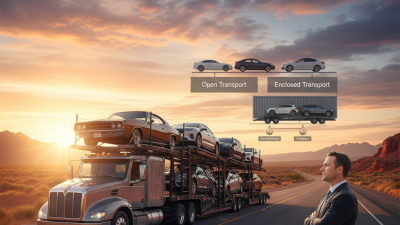
Global buyers can choose ten fast car transport types by speed, capacity, and international reach. Express air freight offers the shortest transit time for one vehicle, often within days. Standard air freight costs less but still suits urgent deliveries. Dedicated enclosed trucking protects luxury vehicles on domestic routes. Open-carrier trucking carries several cars efficiently, although weather exposure remains a concern. High-speed rail transport serves long continental routes with stable schedules and moderate capacity.

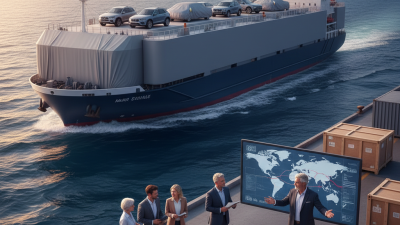
For ocean movement, roll-on/roll-off shipping loads many running vehicles quickly and supports broad global reach. Container shipping adds stronger protection and can carry several cars, spare parts, or personal items legally declared. Multi-car vessel transport maximizes capacity but usually requires longer port handling. Flat-rack shipping handles oversized vehicles when standard containers cannot. Truck-and-rail multimodal transport connects inland sellers with distant ports, balancing speed and coverage.

Transit estimates should include loading, customs clearance, port congestion, and final delivery. A fast vessel may still arrive late after paperwork errors. That detail matters. Experienced coordinators inspect the vehicle, photograph existing marks, verify dimensions, and confirm insurance limits before departure. Capacity claims also need scrutiny, because advertised space may change with vehicle size. I would not choose air freight automatically; its speed can lose value when the destination lacks reliable inland delivery. Clear documents, lawful cargo declarations, and route-specific advice make the fastest option genuinely dependable.

Transit-Time Benchmarks: RoRo, Container, Air Freight, and Rail in 2026

For global car buyers in 2026, speed depends on route, customs, port capacity, and vehicle preparation. Air freight is usually fastest, with transit often taking three to ten days. It suits urgent deliveries, but its cost rises sharply with vehicle weight and dimensions. Expedited road delivery can add one to five days after arrival.

Rail freight commonly takes eighteen to thirty-five days between major terminals. It offers steadier timing than long ocean routes, especially across connected inland networks. RoRo shipping generally needs twenty-five to forty-five days, while container shipping often takes thirty to fifty-five days. Container service protects the vehicle better, but loading and unloading can add several days.

Other fast options include enclosed road transport, open road transport, terminal-to-terminal delivery, door-to-door forwarding, multimodal rail-sea service, and expedited container consolidation. These ten transport types often overlap. A vehicle may travel by truck, rail, and vessel before reaching the buyer.

A practical benchmark includes documentation, inspection, terminal handling, and customs clearance. Add five to twelve working days for these steps in many markets. A clean title, accurate dimensions, and a charged battery can prevent avoidable delays. Still, estimates are not promises. Weather, labor shortages, and incomplete paperwork can disrupt even a carefully planned shipment.

I have seen schedules fail because one small document carried the wrong vehicle number. That detail is easy to dismiss. It should not be.

Cost and Risk Comparison Using Incoterms® 2020 and Marine Insurance Terms

Top 10 Types of Fast Car Transport for Global Buyers

Cost and Risk Comparison Using Incoterms® 2020 and Marine Insurance Terms

Fast car transport includes air cargo, express trucking, rail, RoRo vessels, containers, vehicle carriers, charter flights, and multimodal routes. Speed varies sharply by border controls, loading schedules, and port congestion. UNCTAD’s Review of Maritime Transport 2024 reports that global seaborne trade reached about 12.3 billion tons in 2023. Sea transport remains economical, but it rarely offers the shortest delivery time. Air freight is faster, yet dimensional weight, airport handling, and special loading equipment can multiply costs.

Incoterms® 2020 defines delivery duties, costs, and risk transfer. Under CIF, risk moves to the buyer when the vehicle is loaded onboard, although the seller pays freight and minimum insurance. CIF generally uses Institute Cargo Clauses (C), which cover named risks only. CIP requires broader insurance, normally Institute Cargo Clauses (A), with coverage of at least 110% of the contract value. That difference matters after water damage, theft, or handling impact.

Choose DAP when the seller manages transport to the named destination, while the buyer handles import clearance. DDP places more responsibility on the seller, but local tax and compliance checks still need careful review. Speed is expensive. A 2023 logistics performance report from the World Bank highlights persistent differences in customs, infrastructure, and shipment reliability across markets. No quote is perfectly comparable. Insurance exclusions, deductibles, storage charges, and inspection delays can quietly outweigh the advertised freight price. Risk follows handover.

Top 10 Types of Fast Car Transport for Global Buyers - Cost and Risk Comparison Using Incoterms® 2020 and Marine Insurance Terms

Indicative planning comparison for one standard passenger vehicle. Costs are shown in USD and vary by route, vehicle size, season, fuel surcharges, port charges, customs requirements, and destination services.

No. Transport Type Best-Fit Application Typical Transit Time Indicative Cost per Vehicle Incoterms® 2020 Structure and Risk Transfer Relevant Marine Insurance Terms Overall Risk Main Cost or Risk Considerations
1 Air Freight Urgent delivery of high-value, rare, or time-sensitive vehicles. 1–3 days in transit; approximately 3–10 days door to door. $8,000–$25,000+ FCA is commonly used when the seller delivers to the carrier. Risk transfers at delivery to the carrier under FCA, not at destination. Institute Cargo Clauses (A) is commonly preferred for broad physical-loss or damage coverage. War and strikes extensions may be needed. Medium Fastest option, but aircraft capacity, dangerous-goods rules for batteries, and airport handling charges can substantially increase cost.
2 Dedicated Container Shipping High-value, luxury, classic, modified, or multiple vehicles requiring controlled loading. 20–40 days port to port; approximately 30–55 days door to door. $3,000–$7,000 FCA, FOB, CFR, or CIF may be used. Under FOB, risk transfers when the vehicle is on board the vessel; under CIF, the seller pays freight and minimum insurance to the destination port, but risk still transfers on board. ICC (A) is generally suitable for valuable vehicles. ICC (C), the minimum level typically associated with CIF, covers only named major perils and is narrower. Low–Medium Better protection from weather, saltwater exposure, and port contact than open handling; loading, lashing, and moisture control remain important.
3 Shared Container Shipping Cost-conscious international buyers shipping one standard vehicle. 25–50 days port to port; approximately 35–65 days door to door. $1,500–$4,500 FCA or FOB can be used for seller-arranged delivery to the export carrier or vessel. DAP may be selected when the seller arranges carriage to the named destination but the buyer handles import clearance. ICC (A) provides broadest standard cargo protection. ICC (B) may be considered for moderate-value vehicles, subject to exclusions and policy conditions. Medium Lower unit cost, but consolidation, deconsolidation, transshipment, and additional handling create more opportunities for delay or minor damage.
4 Ro-Ro Vessel Transport Operable passenger vehicles, SUVs, commercial vehicles, and factory-standard cars. 18–45 days port to port; approximately 25–55 days door to door. $1,200–$4,000 FOB, CFR, or CIF are frequently selected for sea transport. Under CFR or CIF, the seller contracts carriage to the destination port, while risk transfers when the vehicle is loaded on board at the export port. ICC (A) is suitable for broad protection. ICC (C) may leave important gaps for handling damage, theft, and water-related events unless specifically covered. Medium Usually economical and avoids container costs, but vehicles are driven and secured inside the vessel, increasing exposure to handling, vibration, and weather-related risks.
5 Rail Freight Long-distance inland or cross-border transport where reliable rail corridors are available. 7–25 days, depending on border crossings and rail connections. $1,000–$4,000 FCA is suitable when the seller hands the vehicle to the rail or multimodal carrier. DAP can place carriage responsibility with the seller through the named destination. ICC (A) or an equivalent all-risks cargo policy is appropriate for high-value vehicles. Check coverage during rail transshipment and temporary storage. Low–Medium Generally lower handling exposure than road-only transport, but border delays, gauge changes, theft controls, and limited rail availability affect performance.
6 Enclosed Vehicle Carrier Truck Domestic, regional, or first-mile and last-mile movement of premium or sensitive vehicles. 1–10 days, depending on distance and border formalities. $500–$3,000 FCA, CPT, DAP, or DPU may be used. Under CPT, risk transfers when the seller delivers the vehicle to the first carrier even though the seller pays carriage to the named destination. Cargo insurance should cover loading, road transit, temporary storage, theft, and accidental damage. ICC terms may be incorporated where the policy is written for multimodal movement. Low Enclosed equipment reduces weather and visibility exposure. Road accidents, loading damage, driver delays, and destination access restrictions remain relevant.
7 Express Multimodal Transport Time-sensitive international delivery combining truck, rail, sea, or air segments. 10–30 days door to door. $3,000–$9,000 CPT or CIP may be used when the seller pays carriage to the named destination. Under CIP, risk transfers to the buyer when the goods are handed to the first carrier, although the seller must arrange specified insurance. CIP requires insurance meeting the higher coverage level specified by Incoterms® 2020, normally ICC (A) or similar coverage, for at least 110% of the contract price unless otherwise agreed. Medium Offers a strong speed-cost balance, but every transfer point introduces risks involving documentation, custody, delays, and policy coverage gaps.
8 Flat-Rack or Special Equipment Shipping Oversized, non-running, heavily modified, or unusually shaped vehicles. 25–55 days port to port; approximately 35–70 days door to door. $4,000–$10,000+ FCA, FOB, CFR, or CIF may be agreed. For container-port movements, the exact named place should identify who bears loading, securing, and terminal-handling responsibilities. ICC (A) is generally recommended, with specific declaration of non-standard dimensions, loading method, securing arrangements, and any pre-existing damage. High Higher exposure to weather, lifting, and terminal handling. Engineering approval, certified lashing, and accurate weight and dimension data are essential.
9 Open-Top Container Shipping Vehicles that cannot be safely loaded through standard container doors or require top-loading equipment. 25–55 days port to port; approximately 35–70 days door to door. $3,000–$8,000 FCA, FOB, CFR, or CIF can be used. The sales contract should state responsibility for tarp protection, lashing, terminal handling, and any special equipment surcharge. ICC (A) with clearly documented packing, securing, and weather-protection arrangements is advisable. Confirm whether cosmetic water damage and exposure during terminal storage are covered. High Top exposure creates increased vulnerability to rain, salt spray, dust, crane operations, and adjacent cargo. It is not normally the first choice for pristine vehicles.
10 Short-Sea Ferry or Coastal Shipping Regional cross-border routes, islands, nearby countries, and port-to-port vehicle movements. 1–7 days port to port; approximately 3–14 days door to door. $200–$1,200 FAS, FOB, CFR, or CIF may be used for sea legs. For door delivery, DAP or DPU can clarify whether the seller or buyer manages unloading and destination delivery. ICC (A) offers broad coverage; ICC (B) or ICC (C) may be selected for lower-value vehicles after reviewing exclusions, deductibles, and the carrier's liability limits. Medium Fast and economical on suitable corridors, but sailing cancellations, port congestion, weather, and vehicle-deck handling can affect delivery and condition.
Important interpretation notes: Incoterms® 2020 define delivery obligations, costs, and the point at which risk transfers; they do not determine ownership or automatically provide full cargo insurance. CIF normally requires minimum insurance cover, commonly associated with ICC (C), while CIP requires a higher level of cover, normally ICC (A) or similar. Marine insurance policies may exclude wear and tear, inherent vice, poor packing, pre-existing damage, unattended vehicles, and certain war or strike risks unless specifically endorsed. All estimates exclude import duty, VAT, registration, customs brokerage, storage, demurrage, and inland charges unless expressly included in the quotation.

Compliance Checkpoints: SOLAS VGM, Customs Rules, and Vehicle Documents

Top 10 Types of Fast Car Transport for Global Buyers

Compliance Checkpoints: SOLAS VGM, Customs Rules, and Vehicle Documents

Vehicle compliance starts before loading. For RoRo, container, rail, road, or air transport, speed cannot replace accurate paperwork. UNCTAD’s Review of Maritime Transport reports that more than 80% of global merchandise trade moves by sea. That makes maritime compliance especially important for international car buyers.

Under SOLAS, the shipper must provide a verified gross mass, or VGM, before a packed container enters the vessel’s stowage plan. VGM includes the car, fuel, equipment, and securing materials. It is not simply the vehicle’s curb weight. A missing or late VGM can delay loading, even when the booking is confirmed. Fast transport can become slow overnight.

Customs checks usually require the commercial invoice, packing list, bill of lading, title, registration record, export declaration, and accurate VIN. The HS code, declared value, origin, emissions data, and safety documents may also affect clearance. The World Bank’s 2023 Logistics Performance Index evaluates customs, infrastructure, tracking, and delivery timeliness across 139 economies. These indicators show why document quality matters as much as transit time. In shipment reviews, a small VIN mismatch remains a common weakness. It looks minor, but it can trigger inspection or correction requests. I sometimes see teams focus on the fastest route and review documents too late. That choice needs honest reconsideration.

A Step-by-Step Selection Matrix for Global Buyers Choosing the Right Service

Top 10 Types of Fast Car Transport for Global Buyers

Global car buyers can compare ten transport types: open carrier, enclosed carrier, flatbed, roll-on/roll-off, shared container, sole-use container, rail, air freight, port-to-port, and door-to-door service. Each option balances speed, protection, cost, and route availability differently. Air freight is usually fastest, while container shipping often offers stronger protection at a lower cost. My experience shows that quoted transit time can change because of port congestion, weather, inspections, or incomplete documents.

Use a simple selection matrix. Step one: mark your delivery deadline. Step two: rate the vehicle’s value, size, and sensitivity to weather. Step three: compare pickup access, destination port, customs support, insurance limits, and tracking quality. Step four: request written prices with handling fees, storage charges, and delivery conditions listed separately. A professional provider should explain its process clearly and provide shipment records. Do not choose speed alone. A fast route with poor document control can create expensive delays. The matrix is useful, but it is not perfect.

Tips: Ask whether the quoted time means port-to-port or door-to-door. Photograph the vehicle before collection, including wheels, glass, and interior surfaces. Confirm permitted vehicle dimensions and battery requirements early. Keep copies of the invoice, ownership documents, inspection report, and insurance certificate. If a provider avoids clear answers, pause. That small hesitation may prevent a larger problem.